


|
|
|
|
|
|
    
   |
||
  |
||







 



 

















 |
||
|
|
||
 |
||
 |
 |
 |
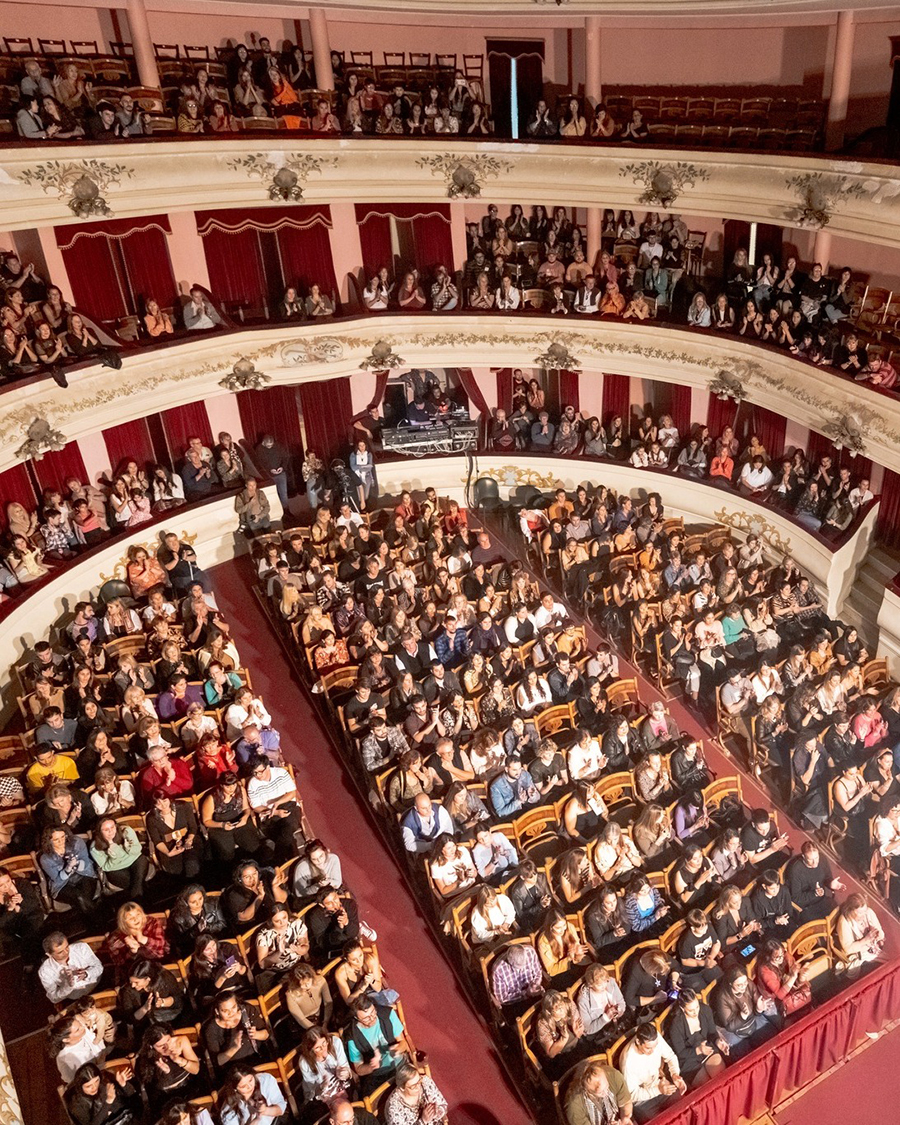
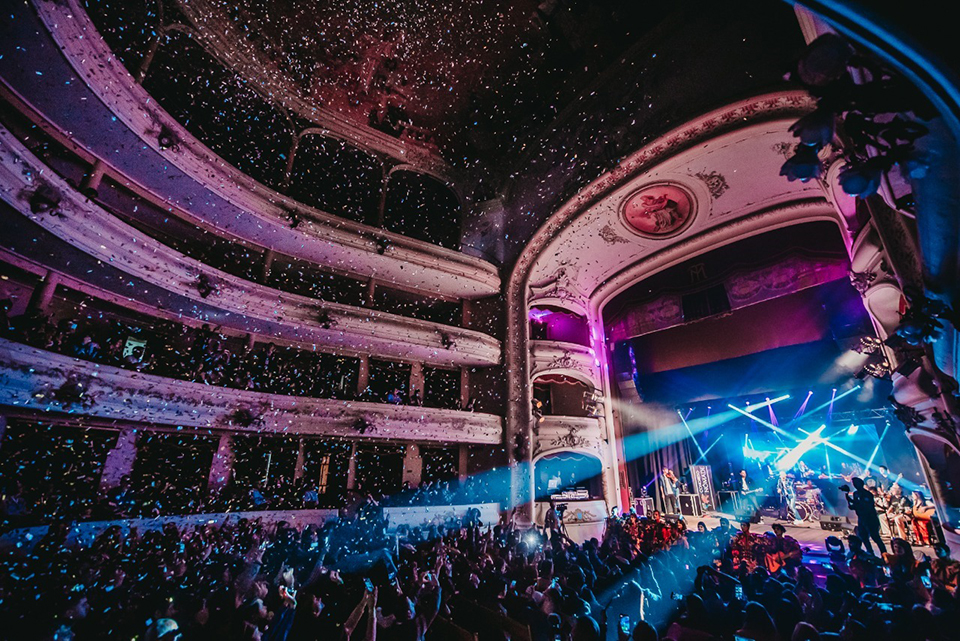
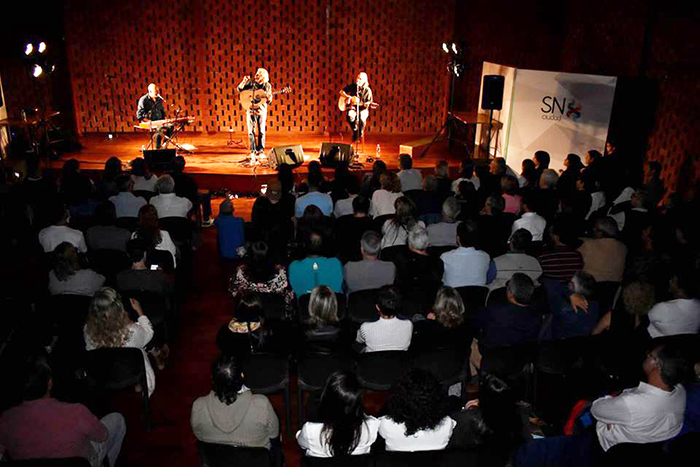
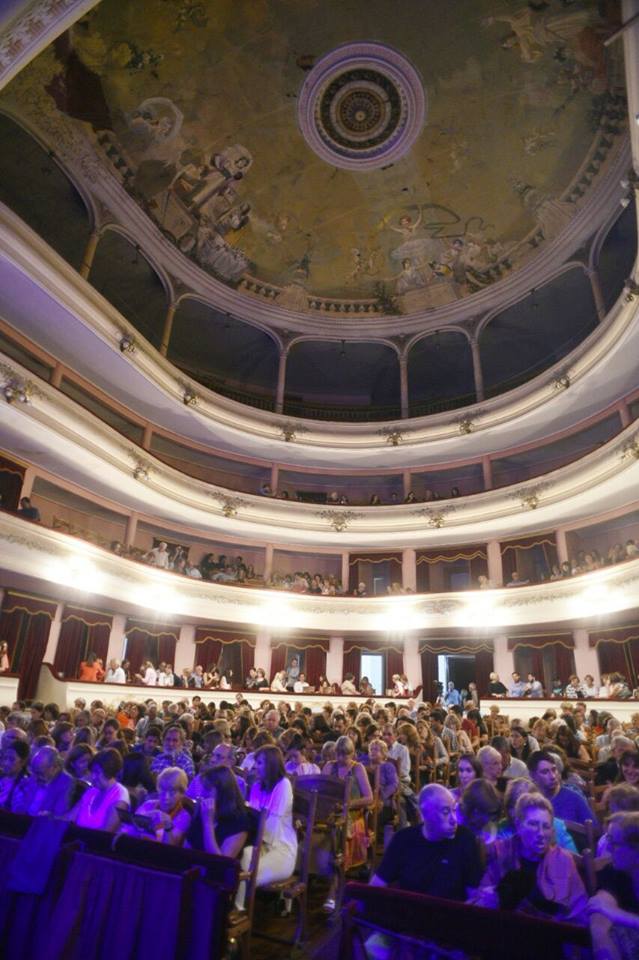
| Lito Vitale concert at the San Nicolás Theater |
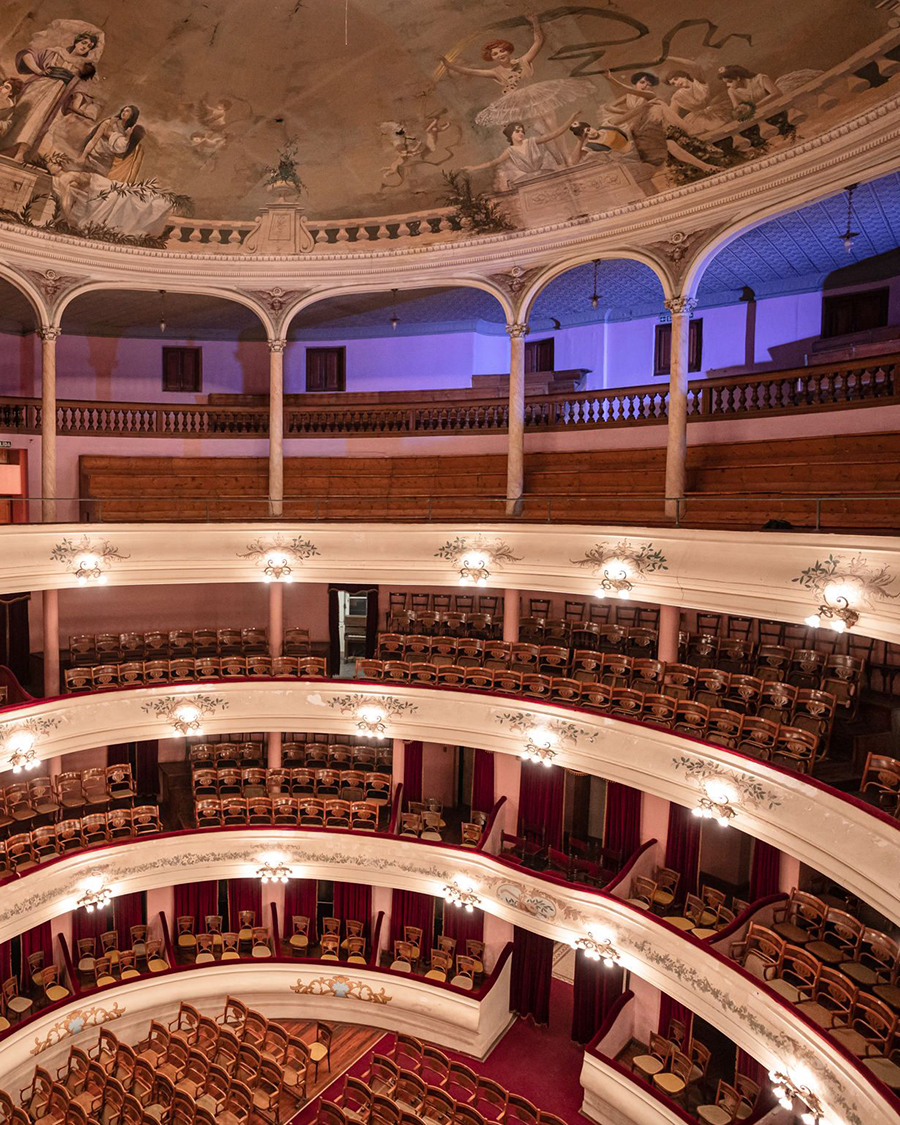
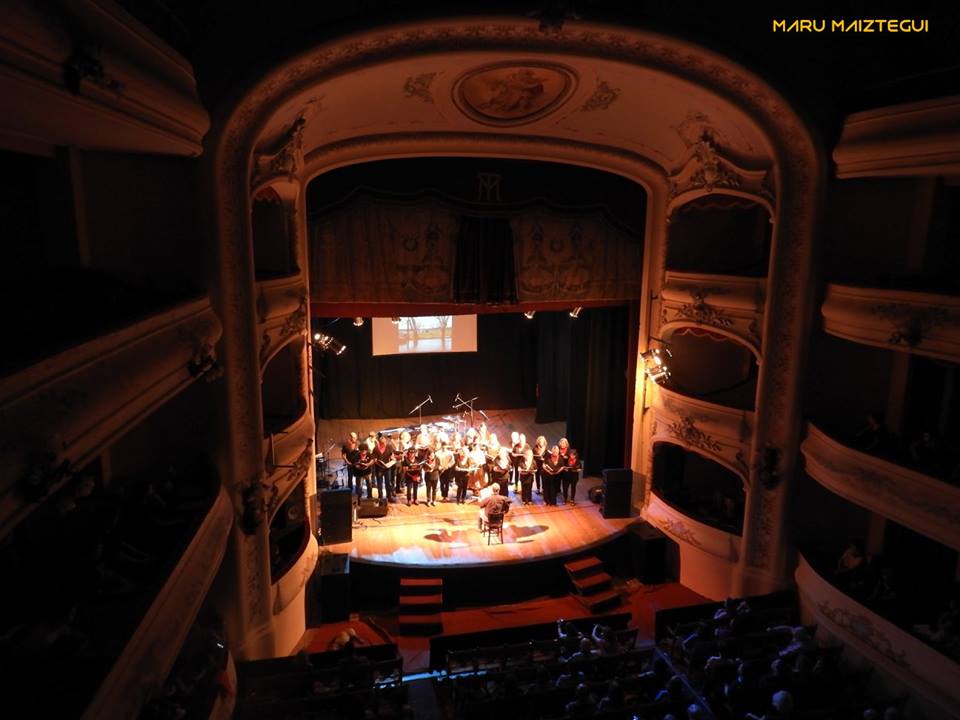
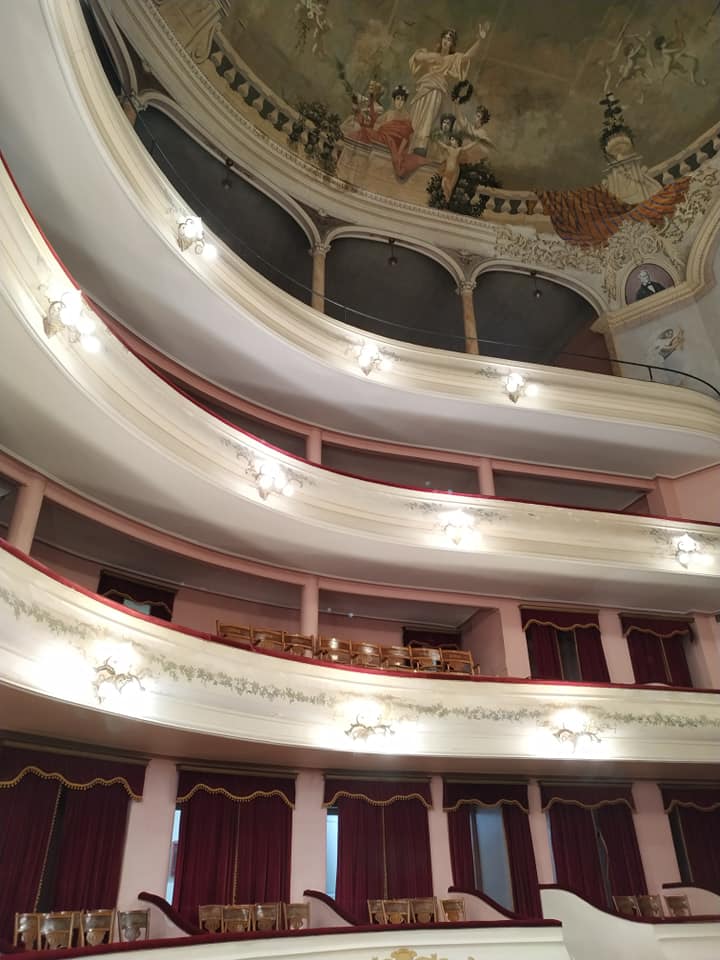
View of boxes, paradise and roof of the San Nicolás Theater |
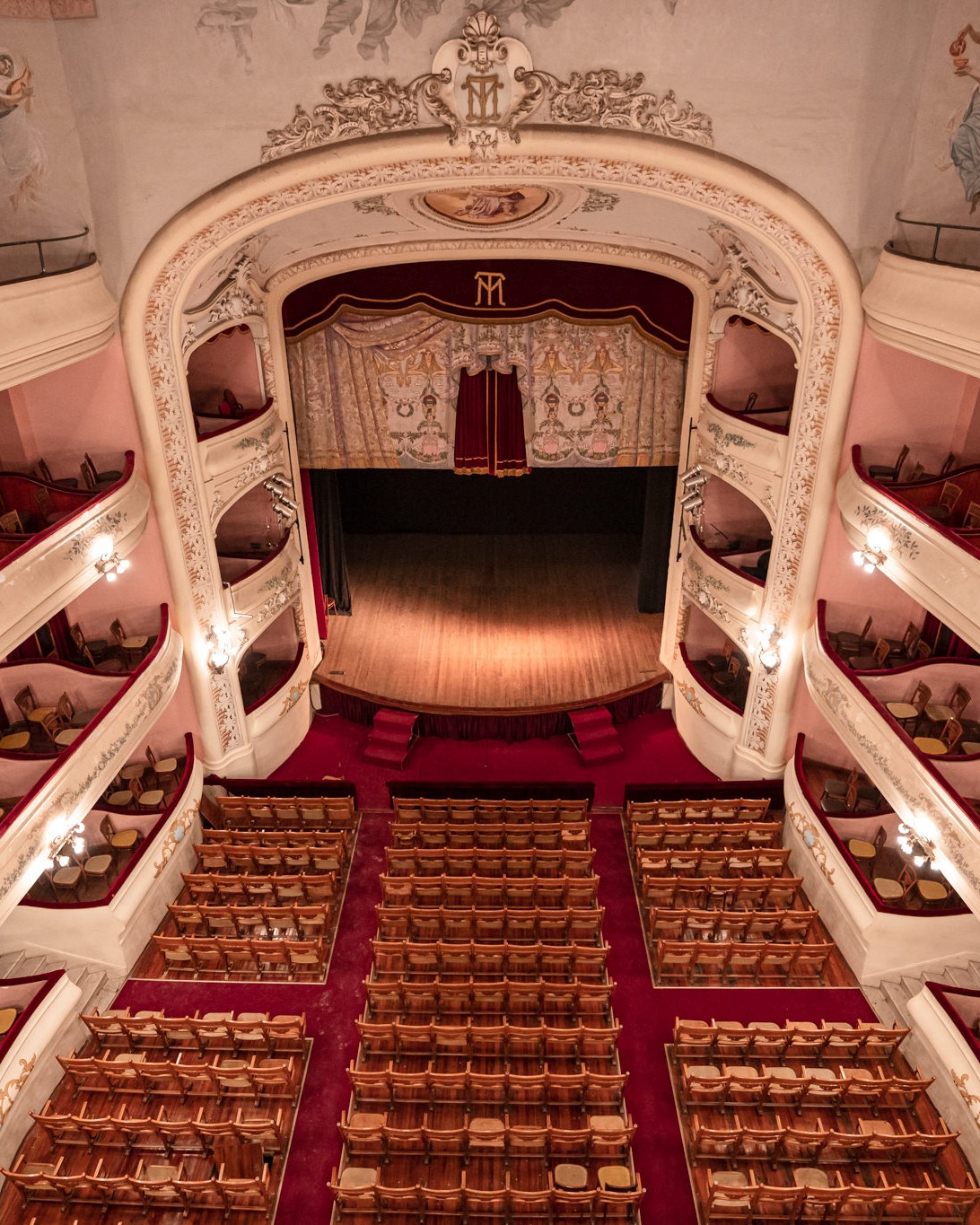
General
view of
scenario, parquet and boxes |
 |
 |
 |
|
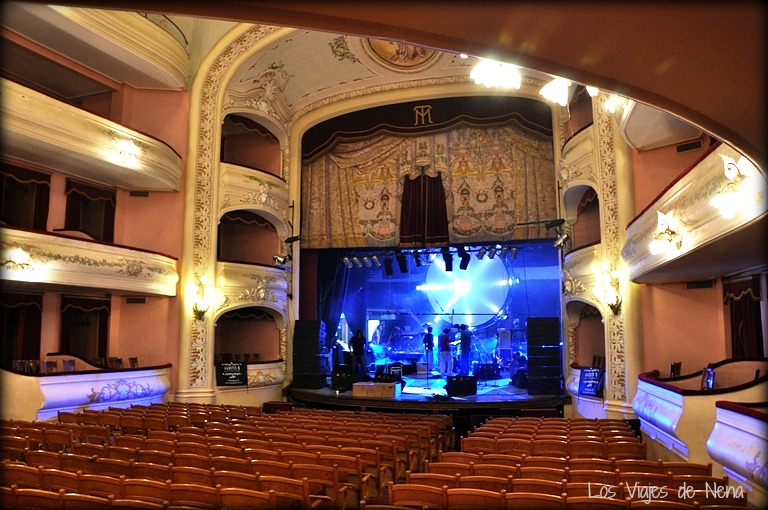
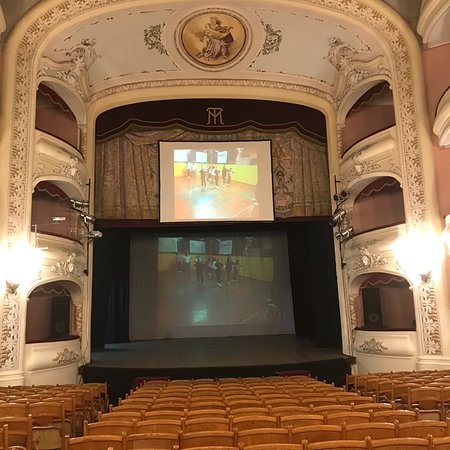
General view of scenario, parquet and boxes |
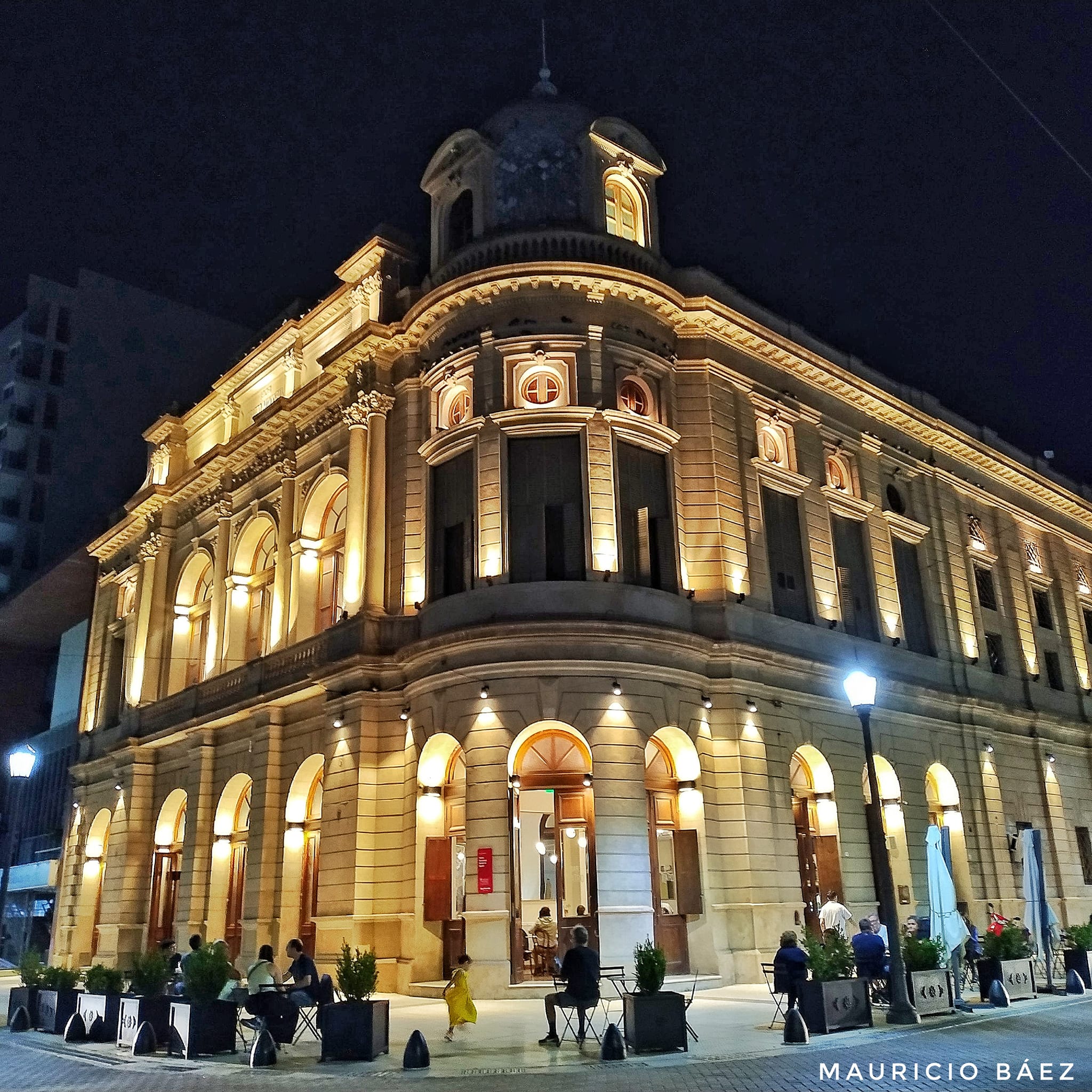
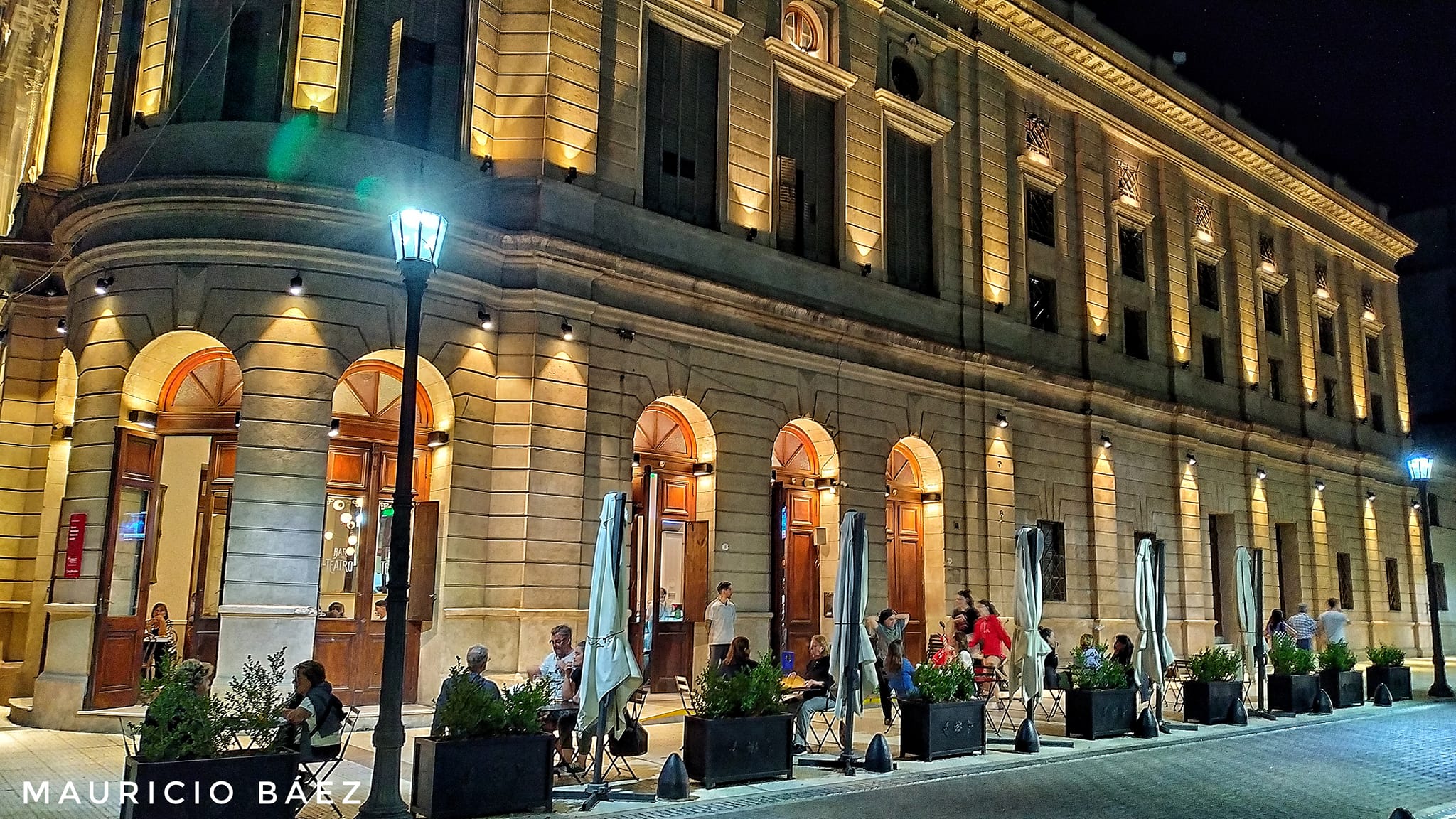
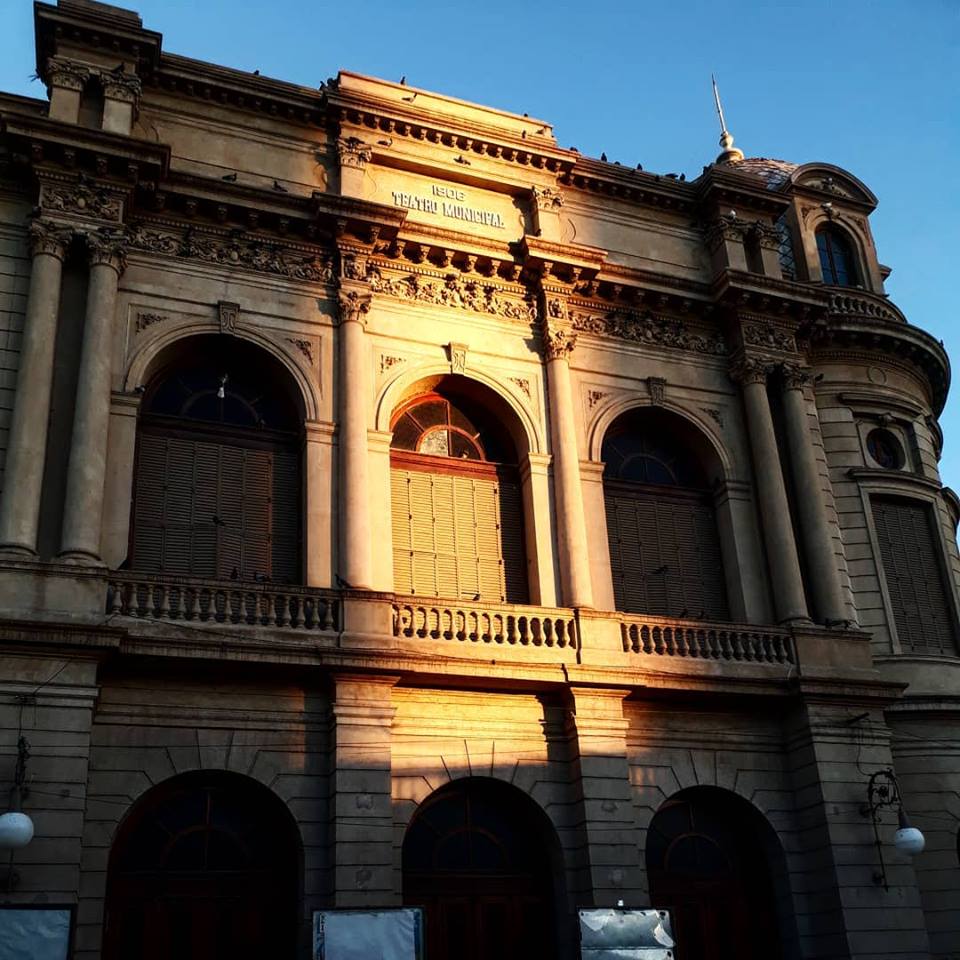
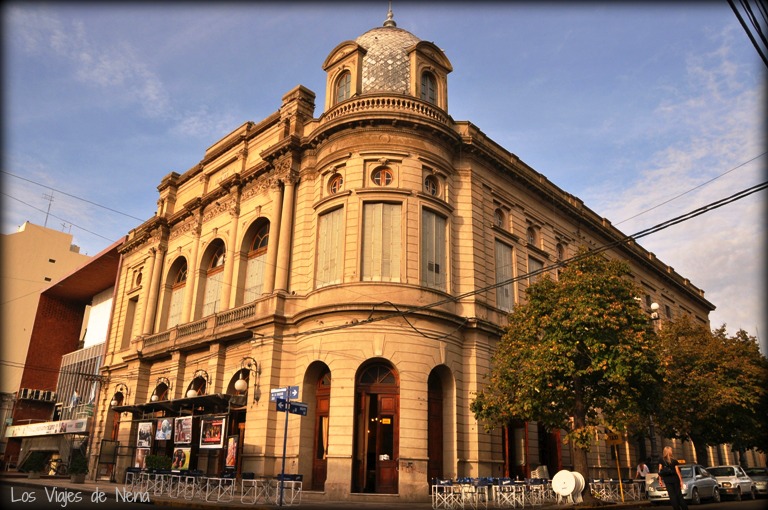
Corner of Nación and Maipú |
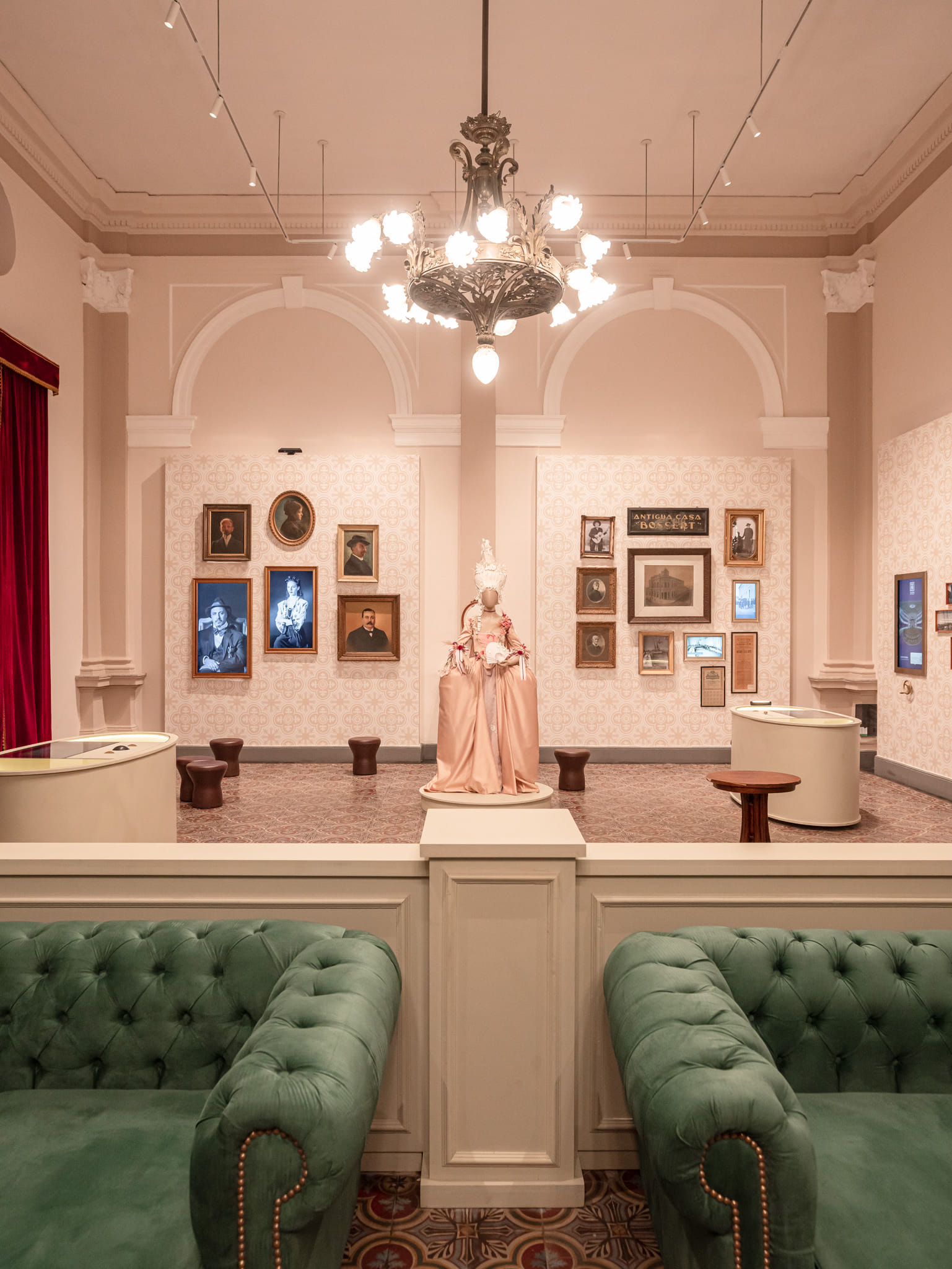
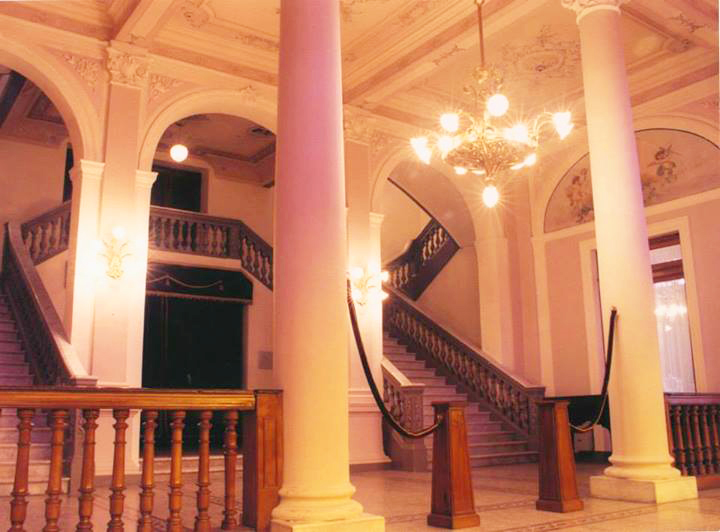
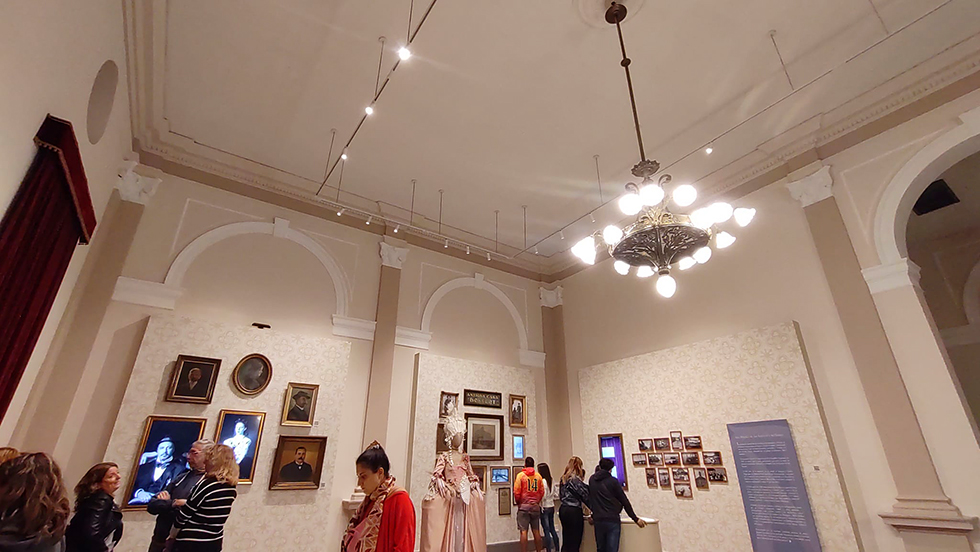
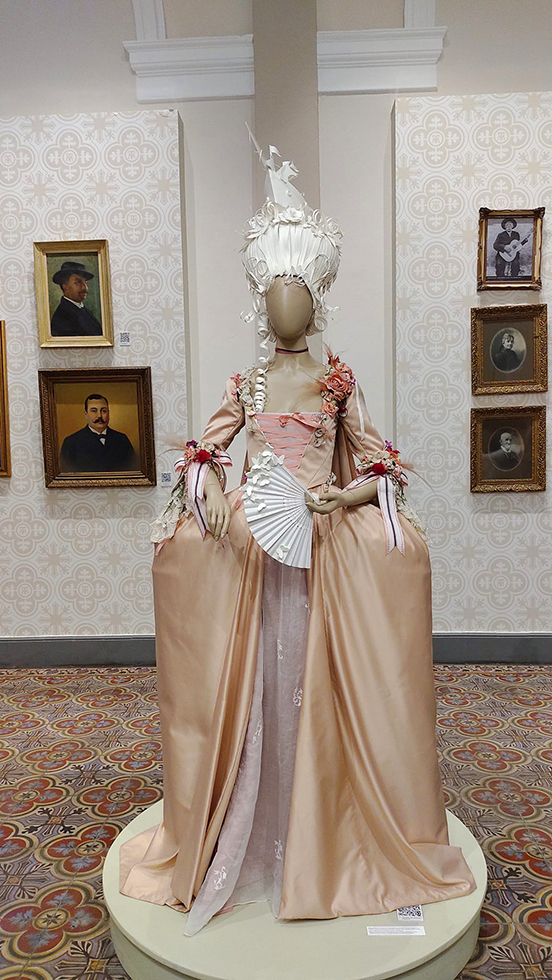
Foyer of the Municipal Theater "Rafael de Aguiar" restored in 2023 |
 |
 |
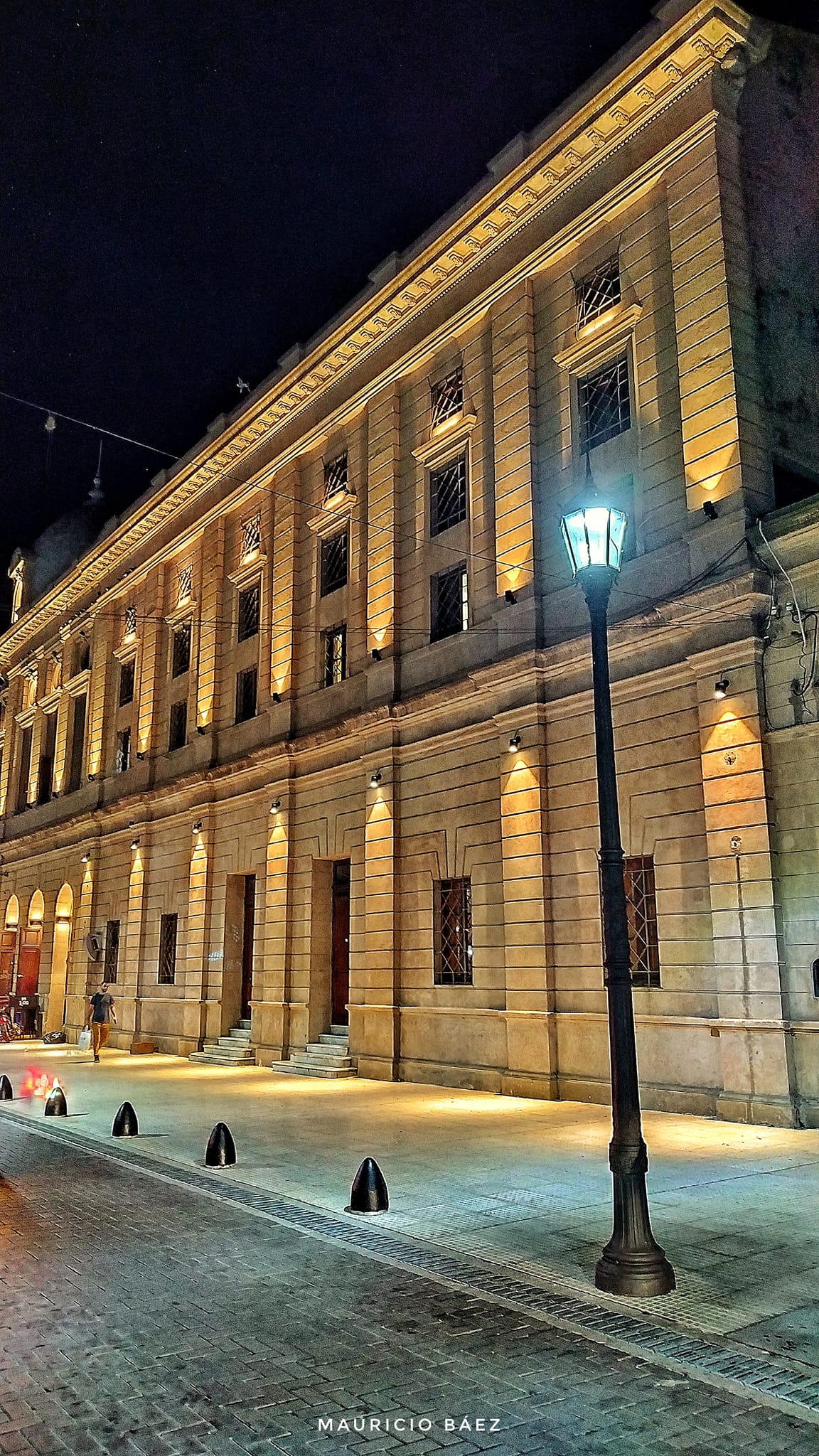 |
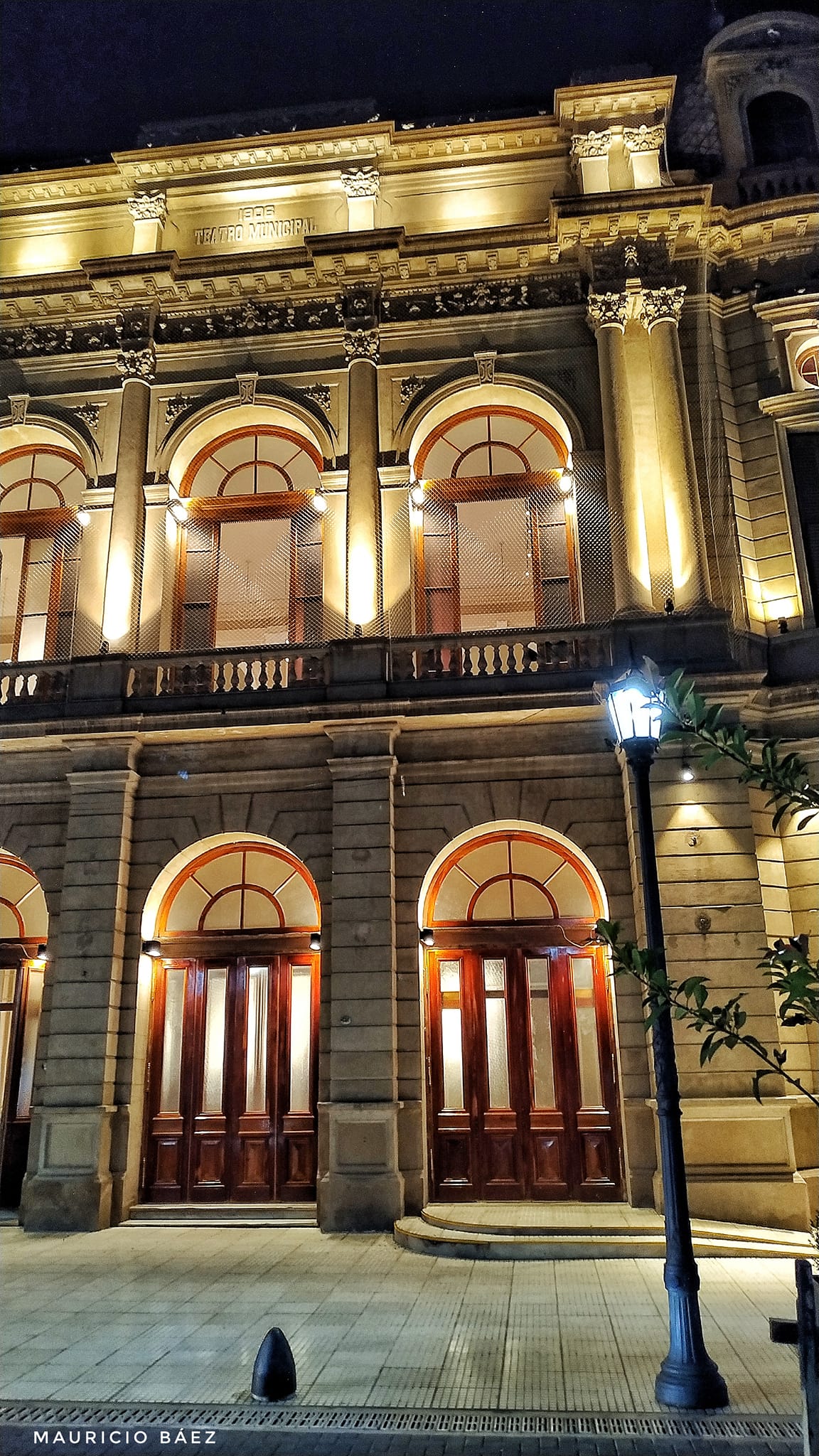
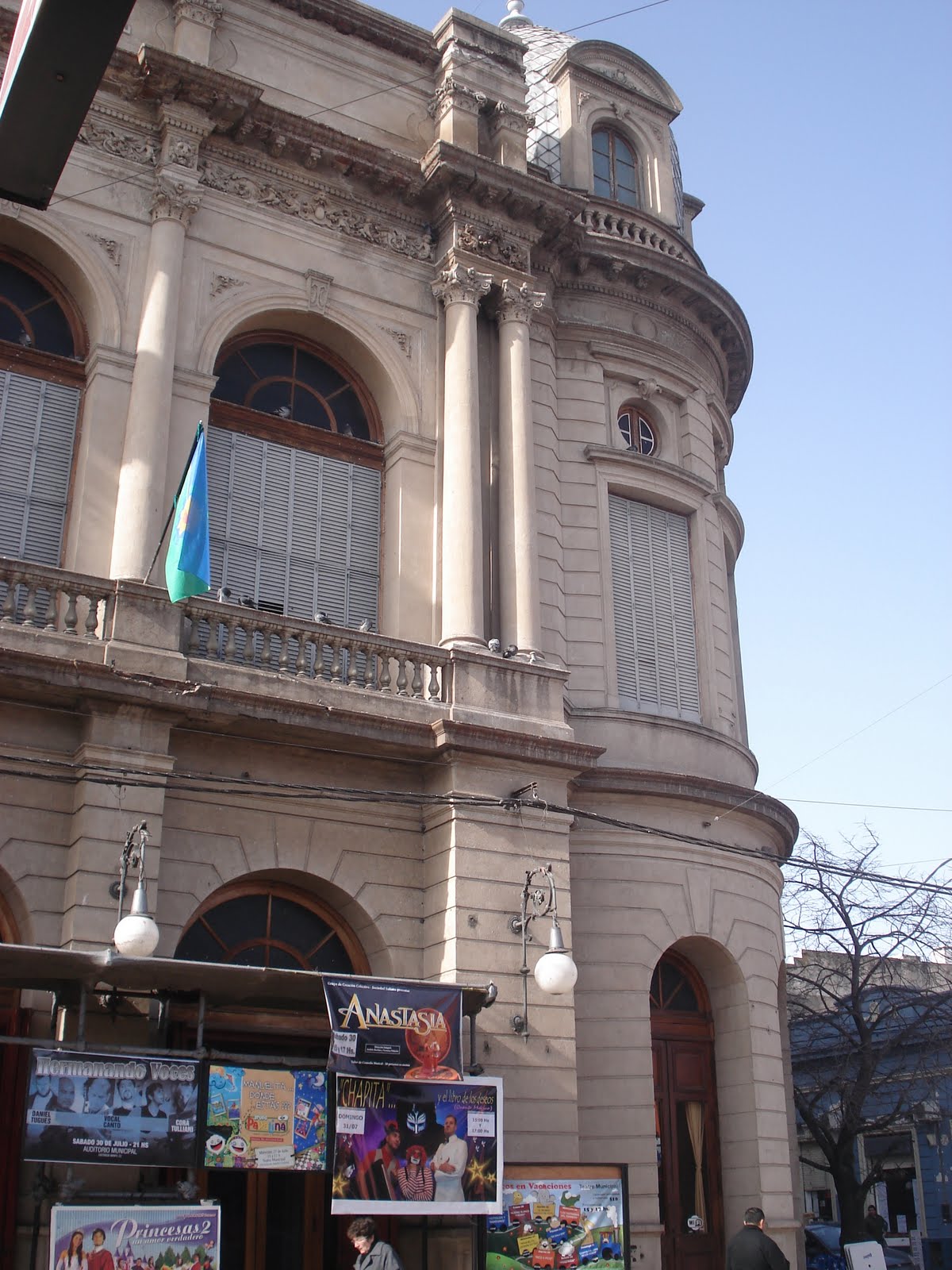
| Side view from Nación street |
Foyer of the Municipal Theater "Rafael de Aguiar" restored in 2023 |
Side view from Maipú street |
 |
 |
 |
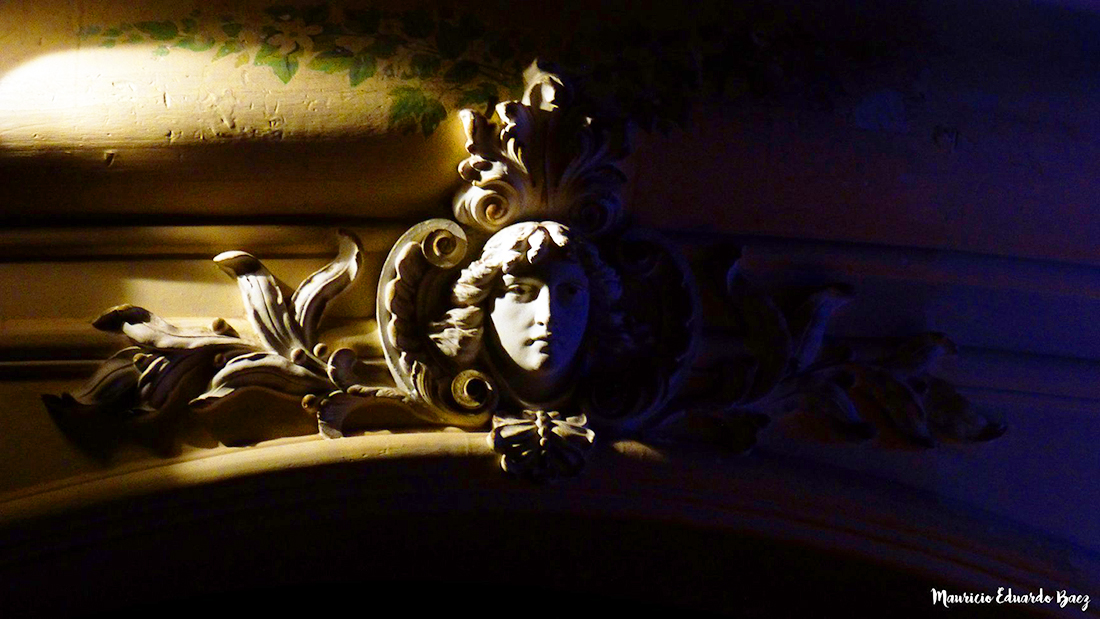
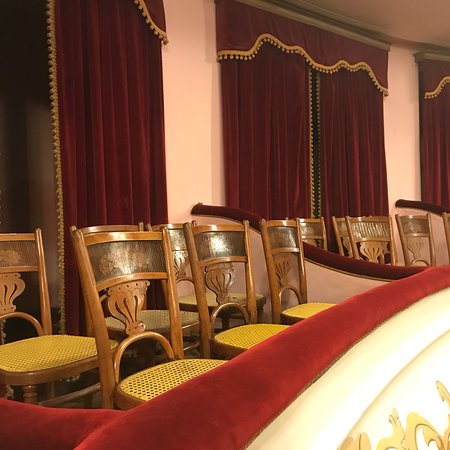
| Decoration of the boxes |
Corner of Nación and Maipú |
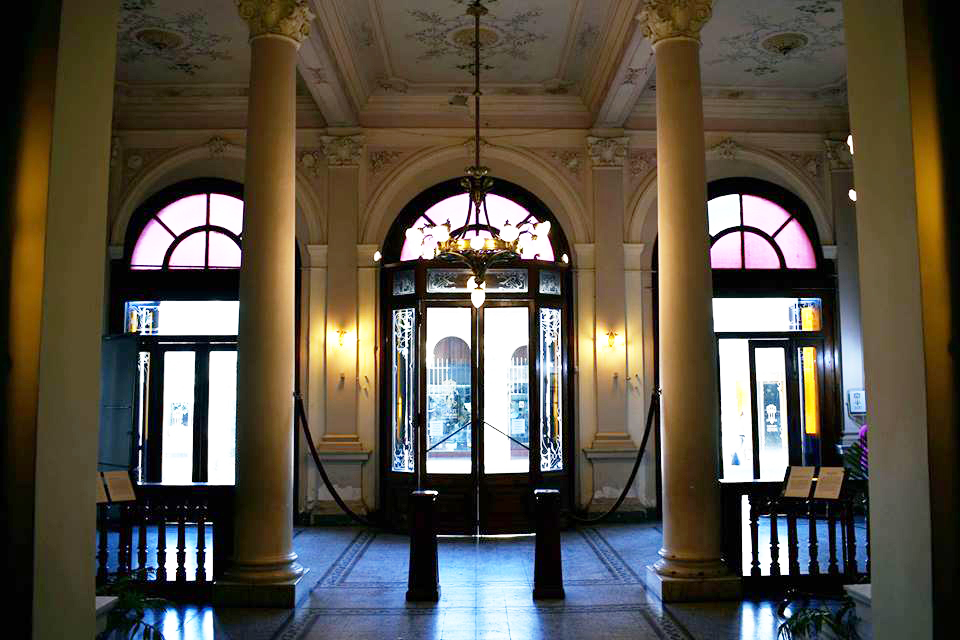
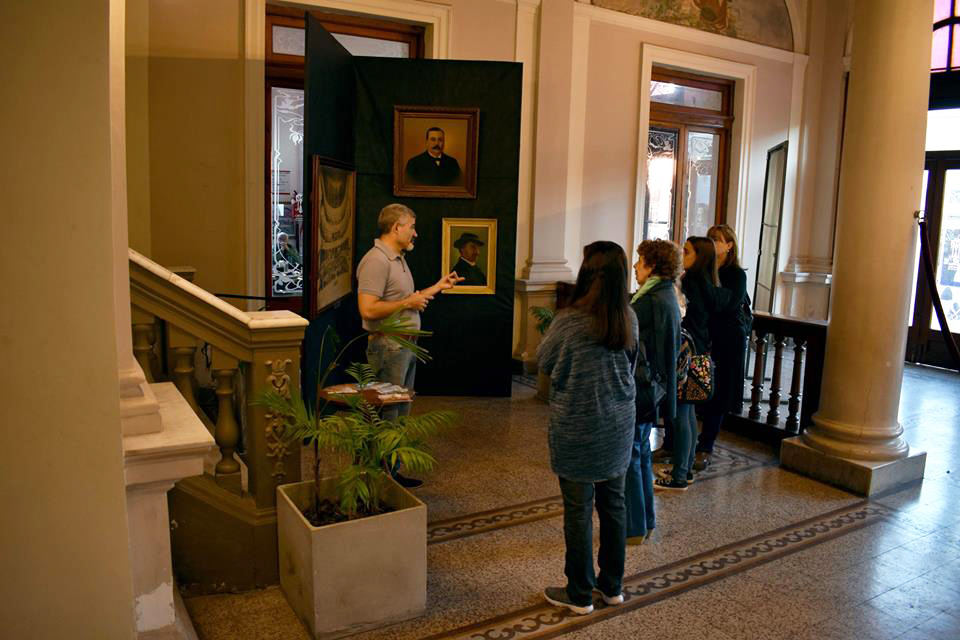
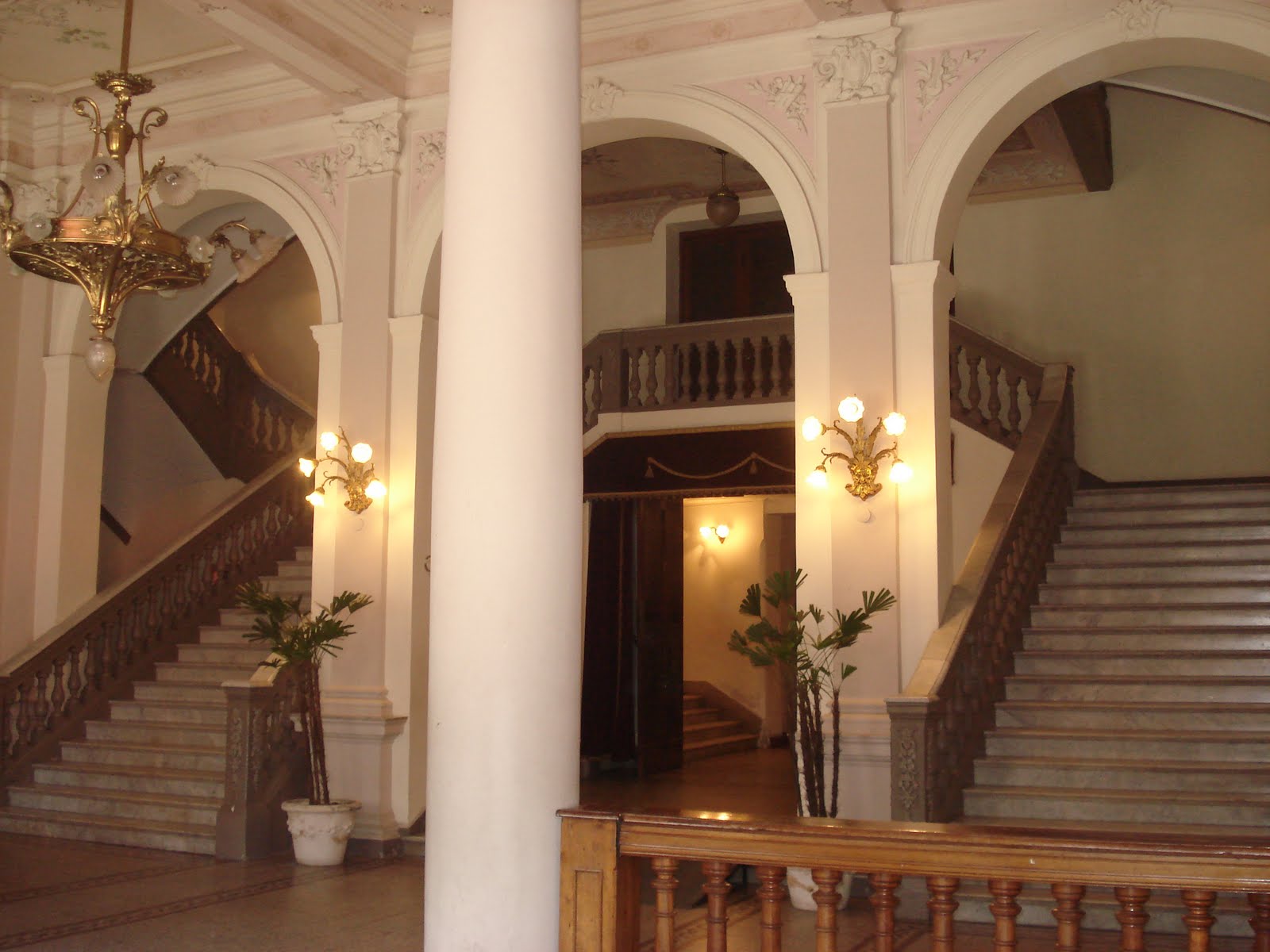
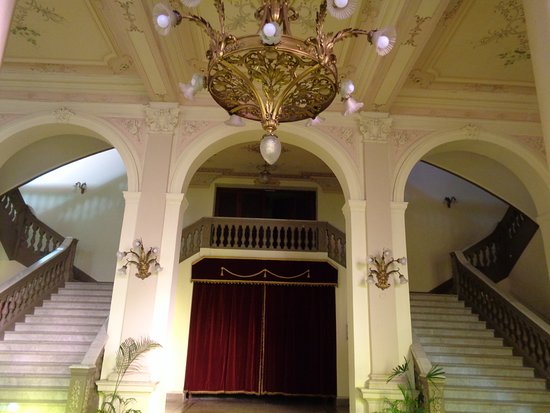
Entrance hall. Stairs to foyer and entrance to the theater |
 |
 |
 |
|
Foyer of the Municipal Theater "Rafael de Aguiar" restored in 2023 |
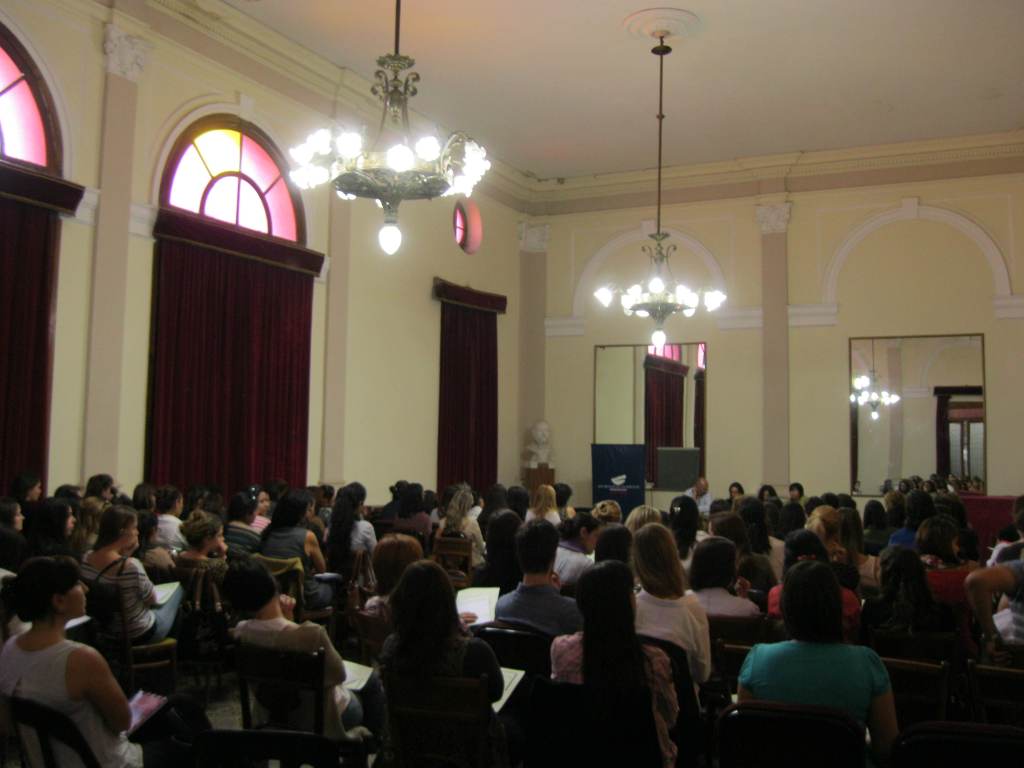
2nd edition of the Nomad Congress of photography and video, August 2019 |
View from the scenario |
 |
 |
 |
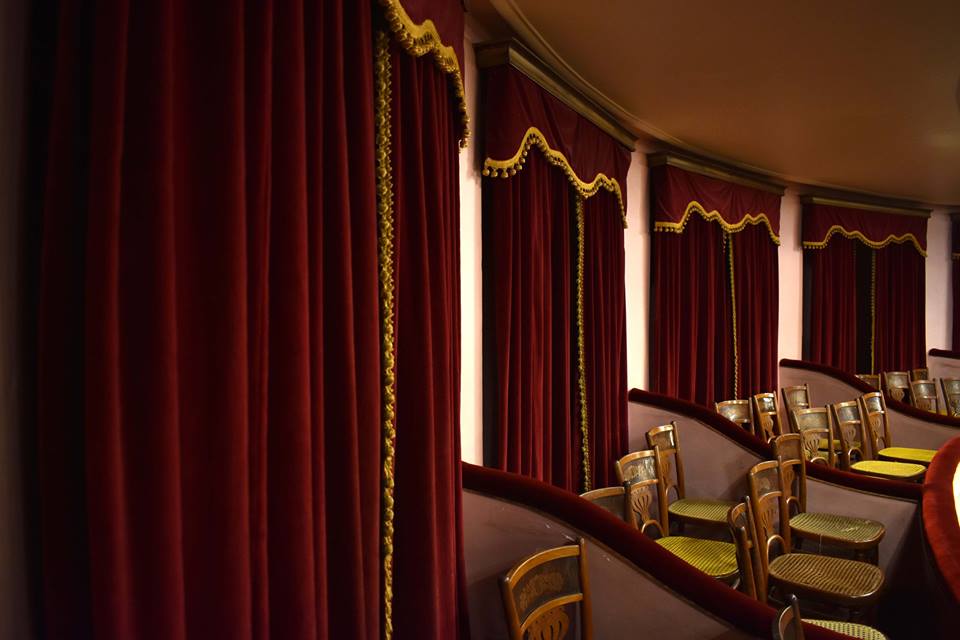
| View of the entrance hall towards Nación street | View from the boxes |
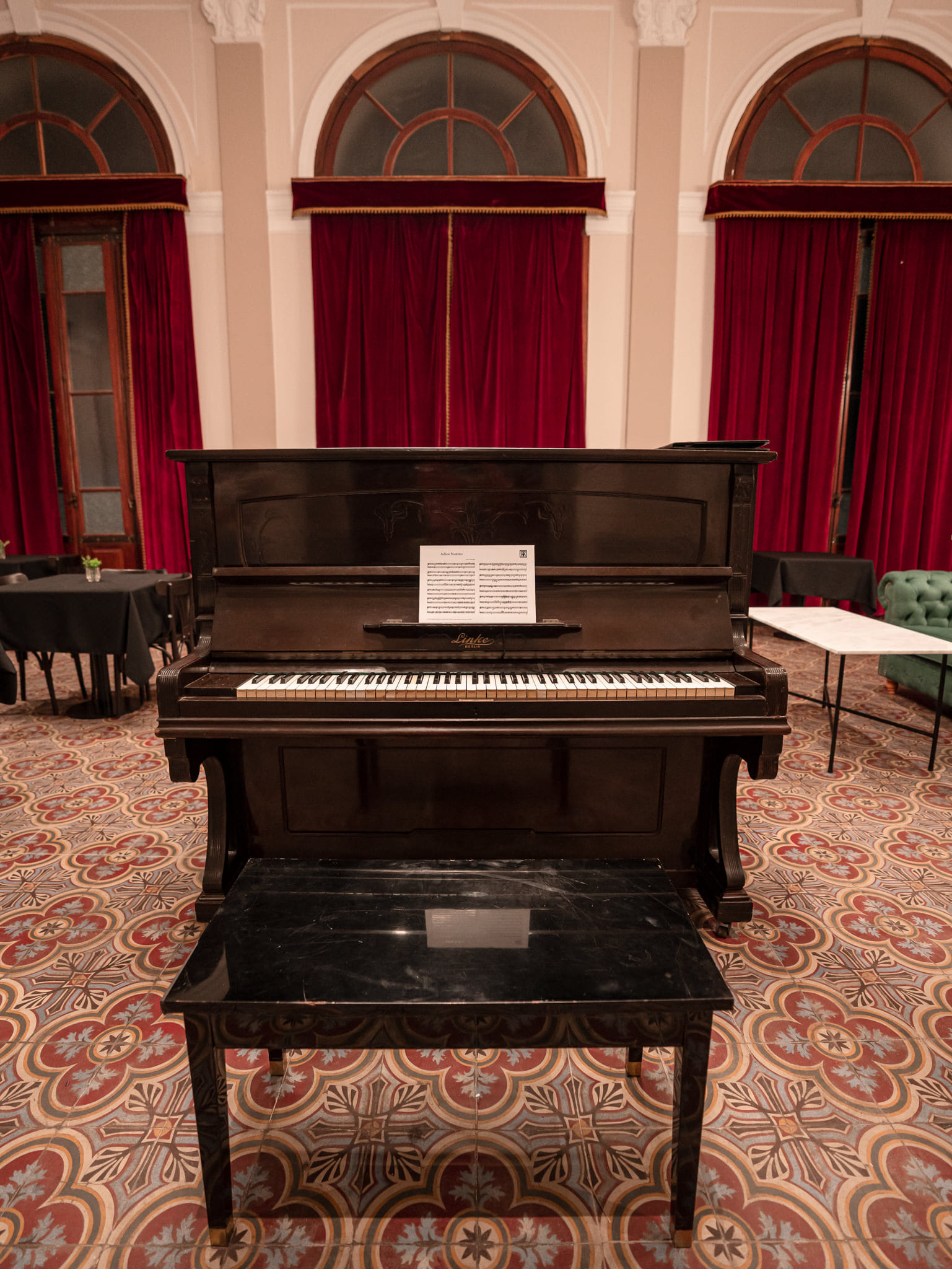
Foyer of the Municipal Theater "Rafael de Aguiar" |
 |
 |
 |
|
View of the entrance hall and access to the bar from the hall |
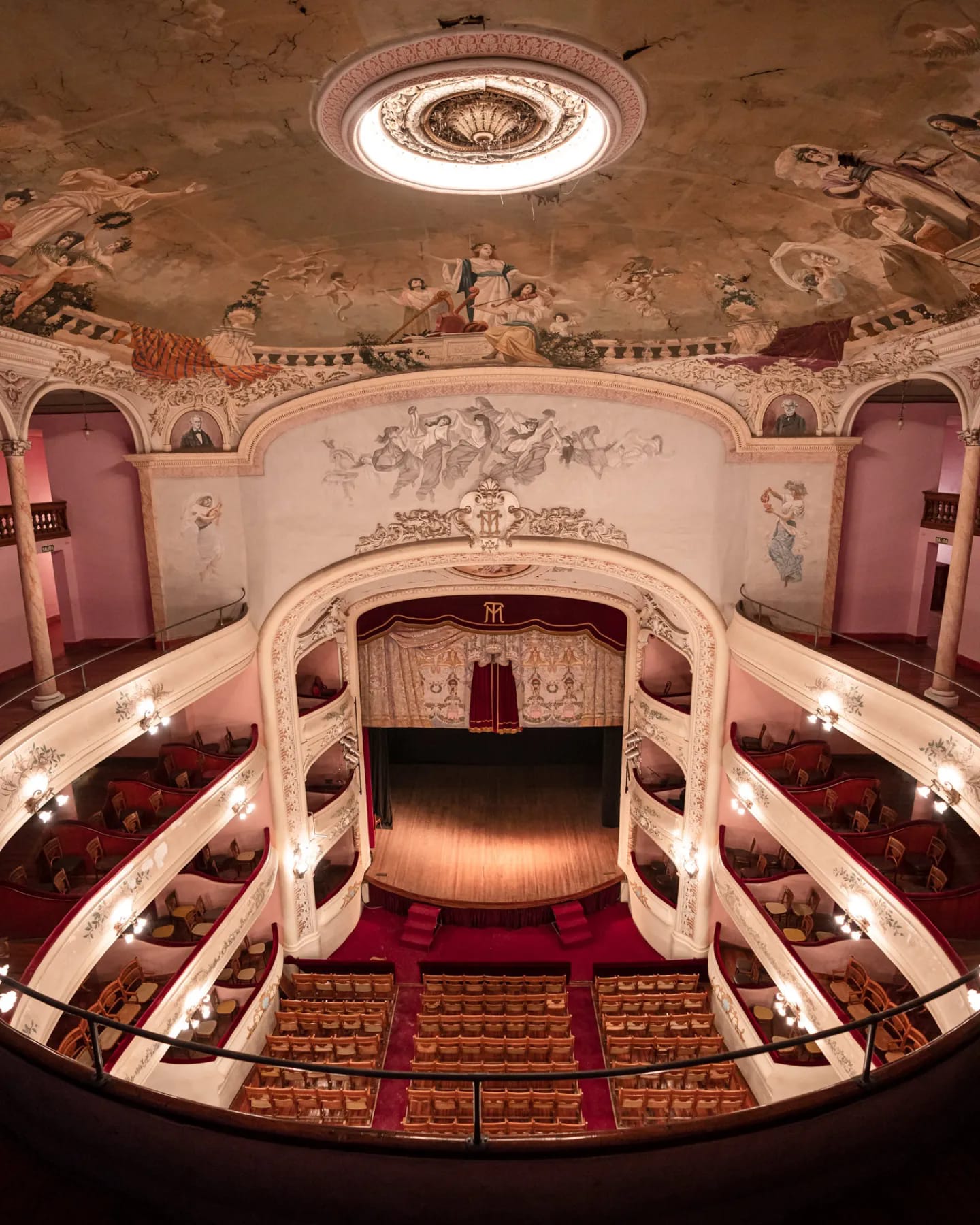
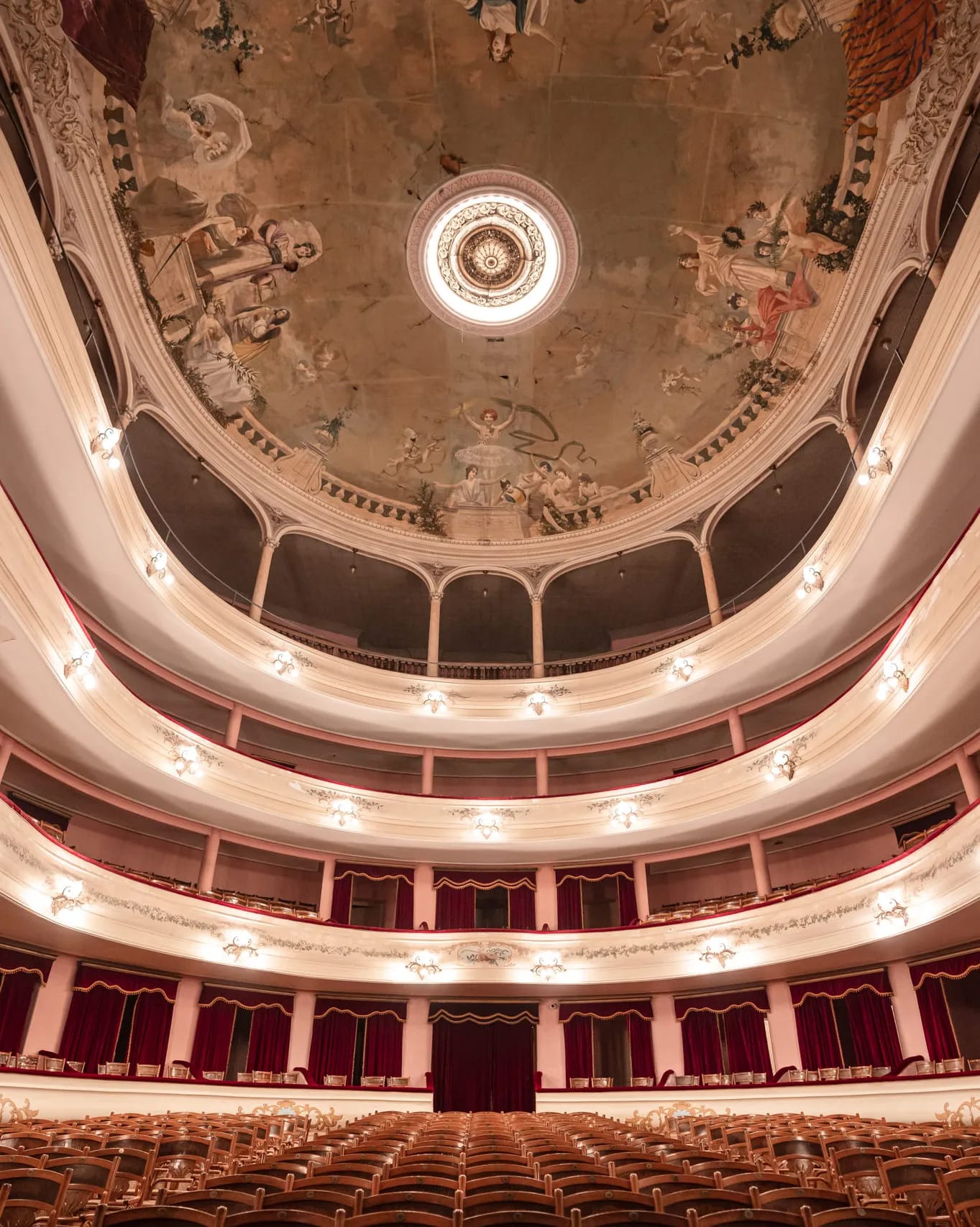
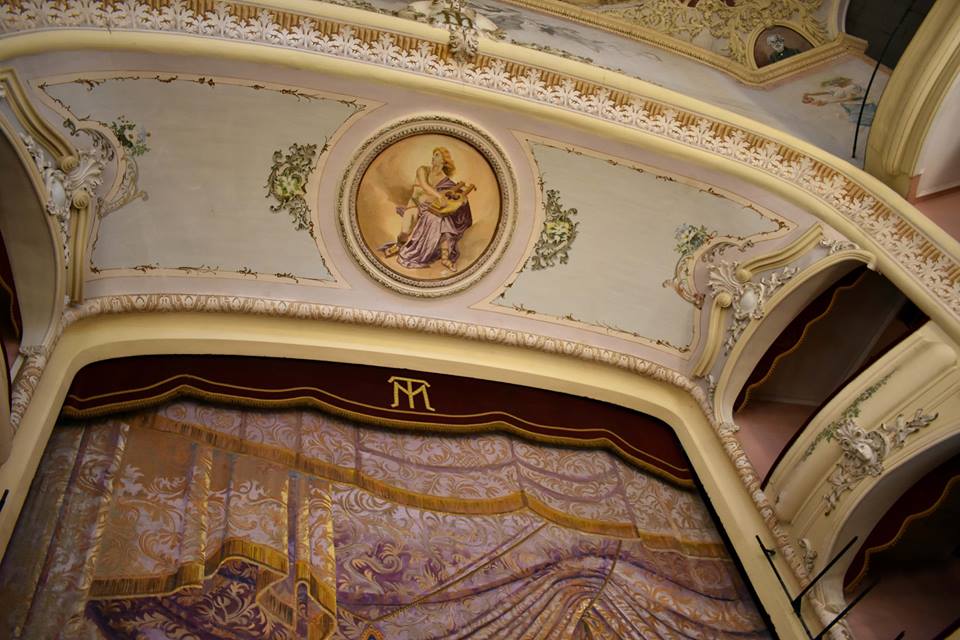
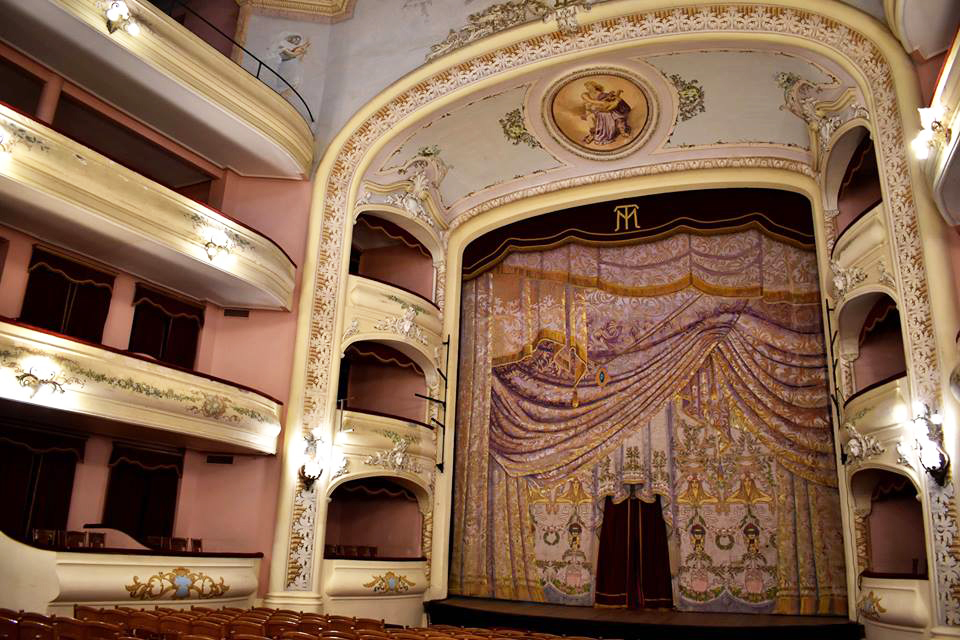
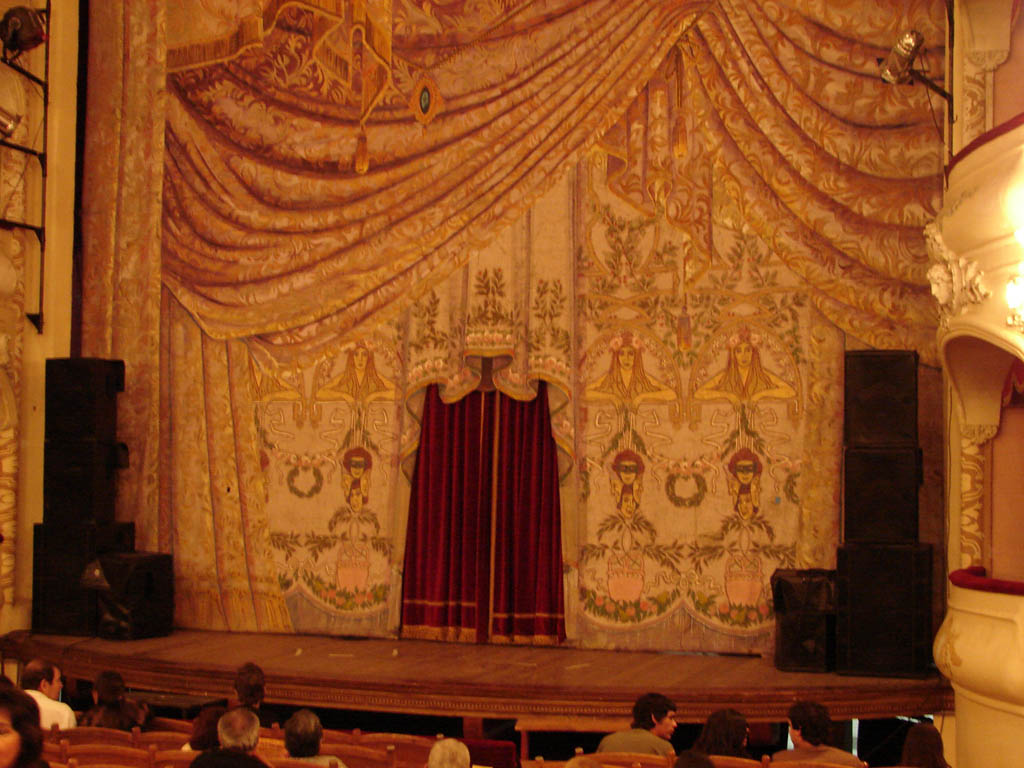
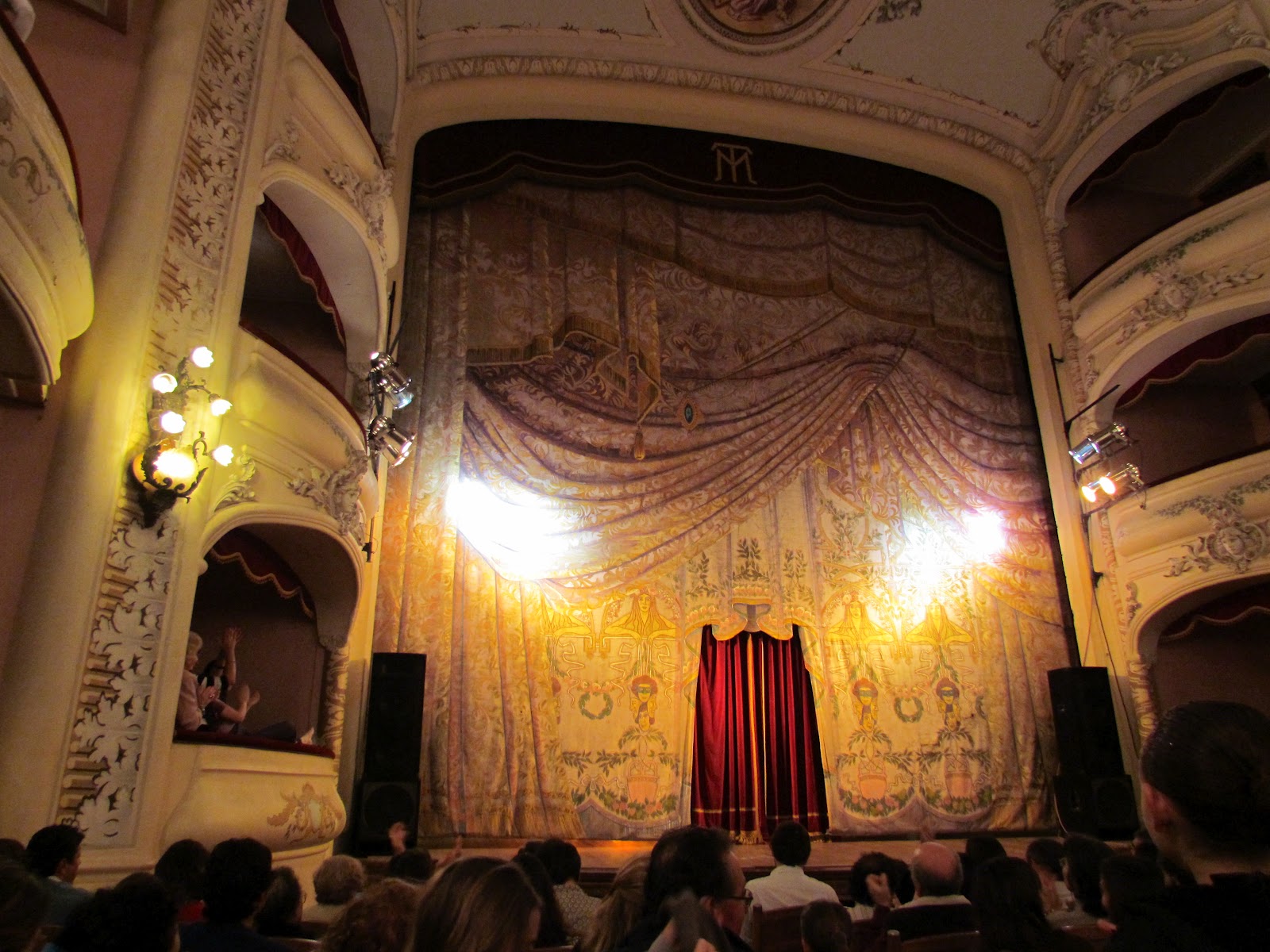
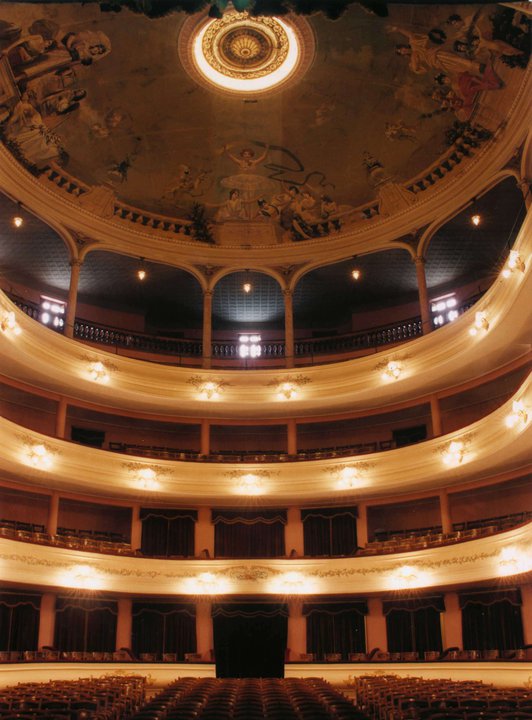
View of curtain, roof and boxes |
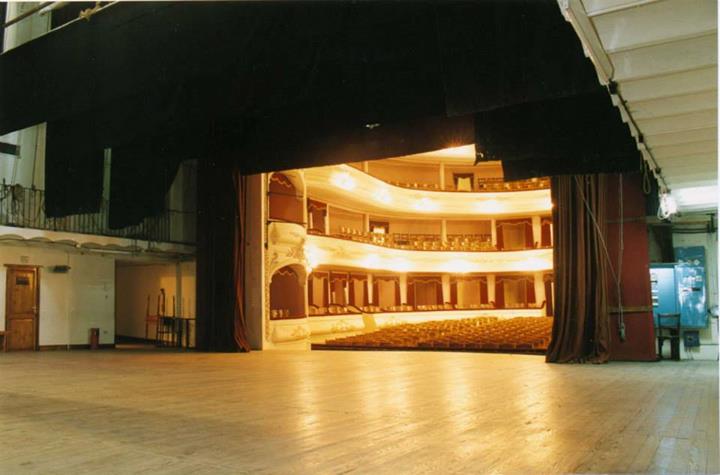
General view of scenario, parquet and boxes |
 |
 |
 |
|
Foyer of the Municipal Theater "Rafael de Aguiar" restored in 2023 |
Foyer of the Municipal Theater "Rafael de Aguiar" restored in 2023 |
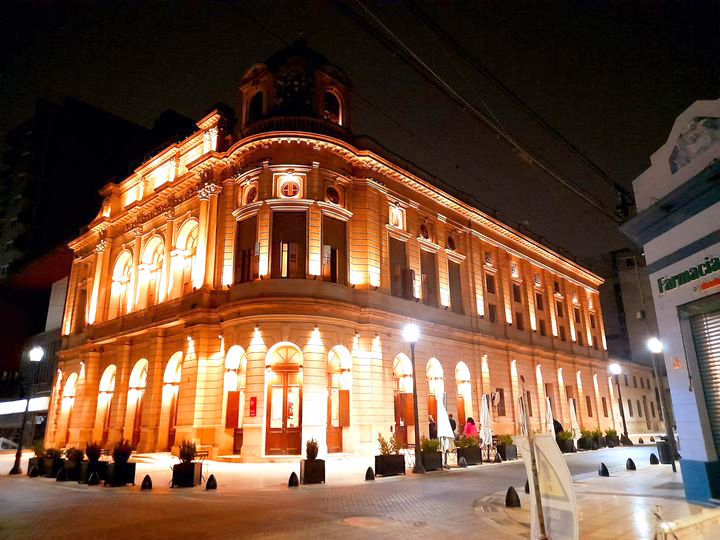
Corner of Nación and Maipú, June 2023 |
 |
 |
 |
|
General view of scenario, parquet and boxes |
General view of scenario, parquet and boxes |
Entrance hall. Stairs to foyer and entrance to the theater |
 |
 |
 |
| Side view from Nación street |
View of scenario from the parquet |
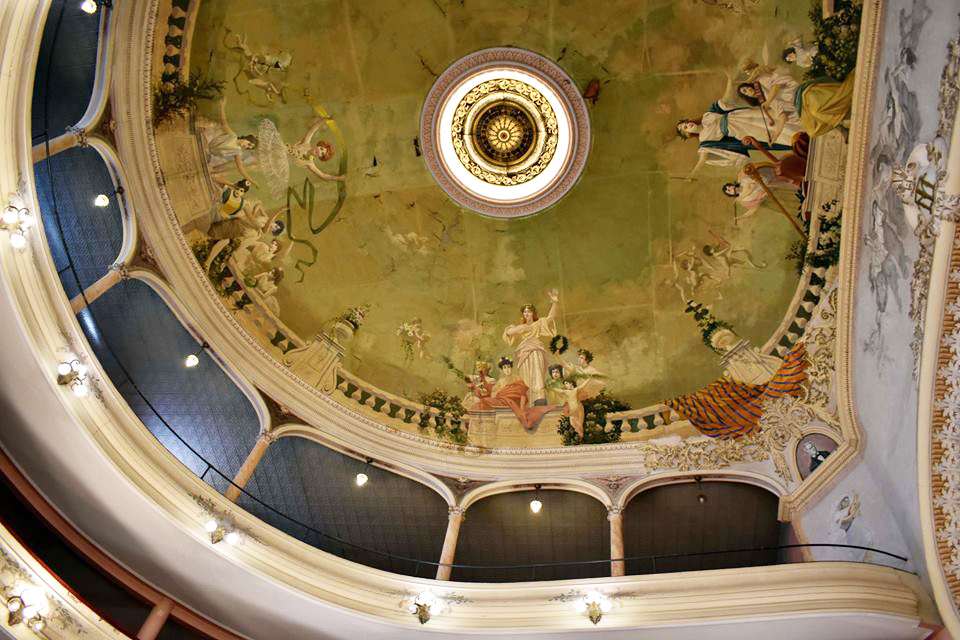
View of the roof of the theater |
 |
 |
 |
|
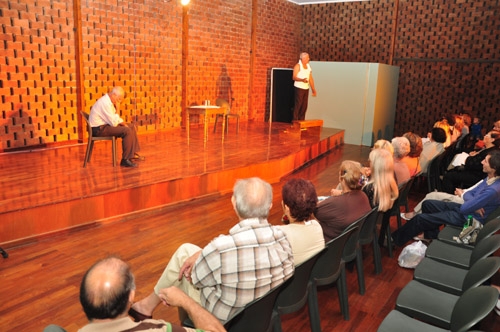
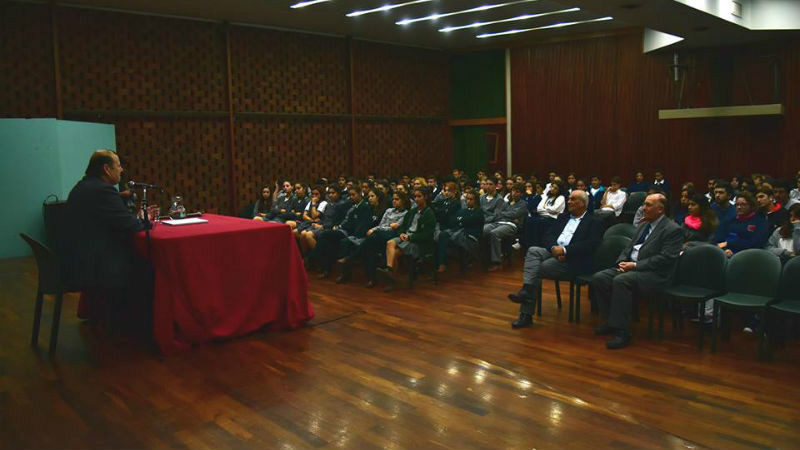
Municipal Auditorium, located in the subsoil of the theater |
View of scenario and curtains | Corner of Nación and Maipú |
 |
 |
 |
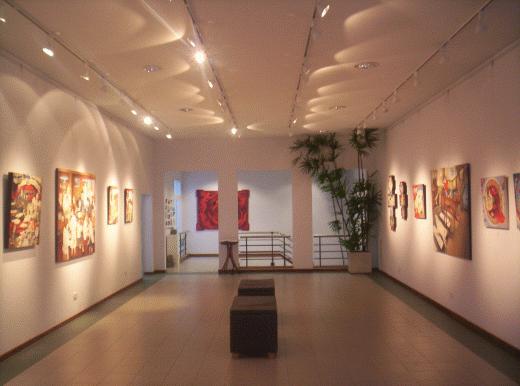
| Art gallery, located in the lateral of the theater |
Entrance hall. Stairs to foyer and entrance to the theater |
Municipal
Auditorium, located in the subsoil of the theater |
 |
 |
 |
|
Municipal
Auditorium, located in the subsoil of the theater |
View of scenario and curtains | View of the boxes |
 |
 |
 |
| Foreground of the boxes |
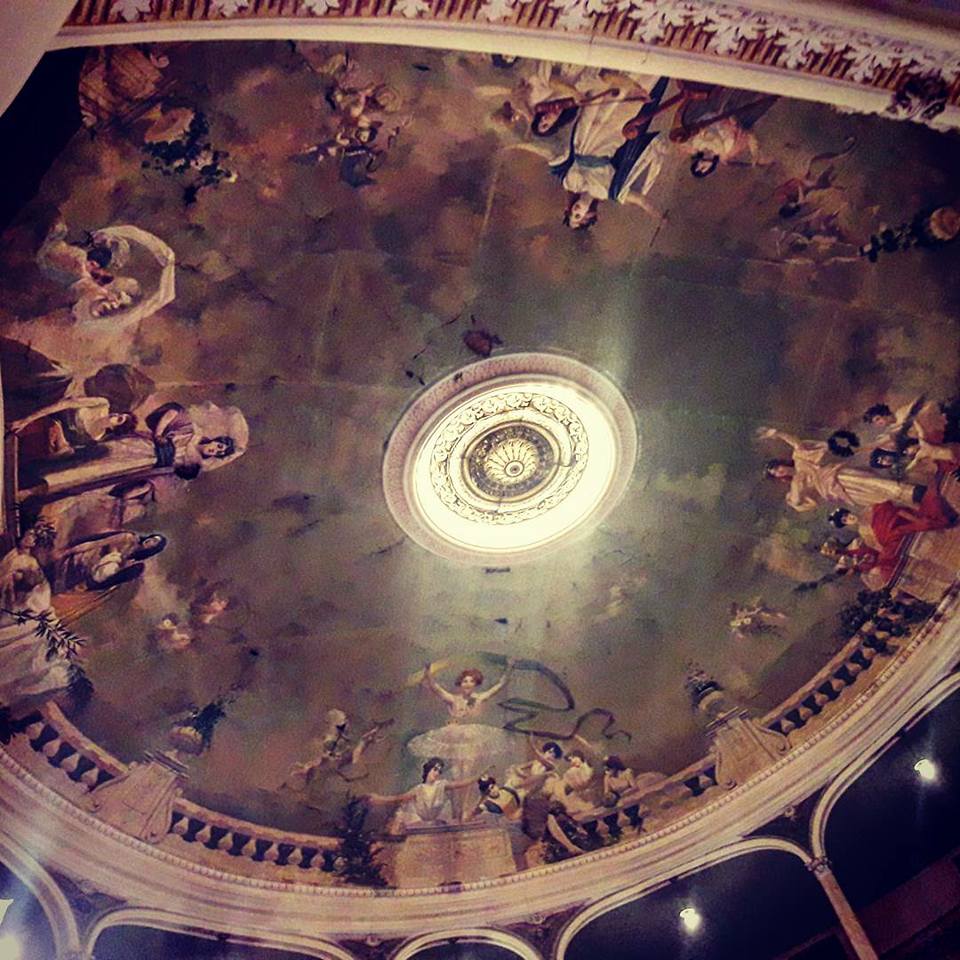
View of the paintings of the roof |
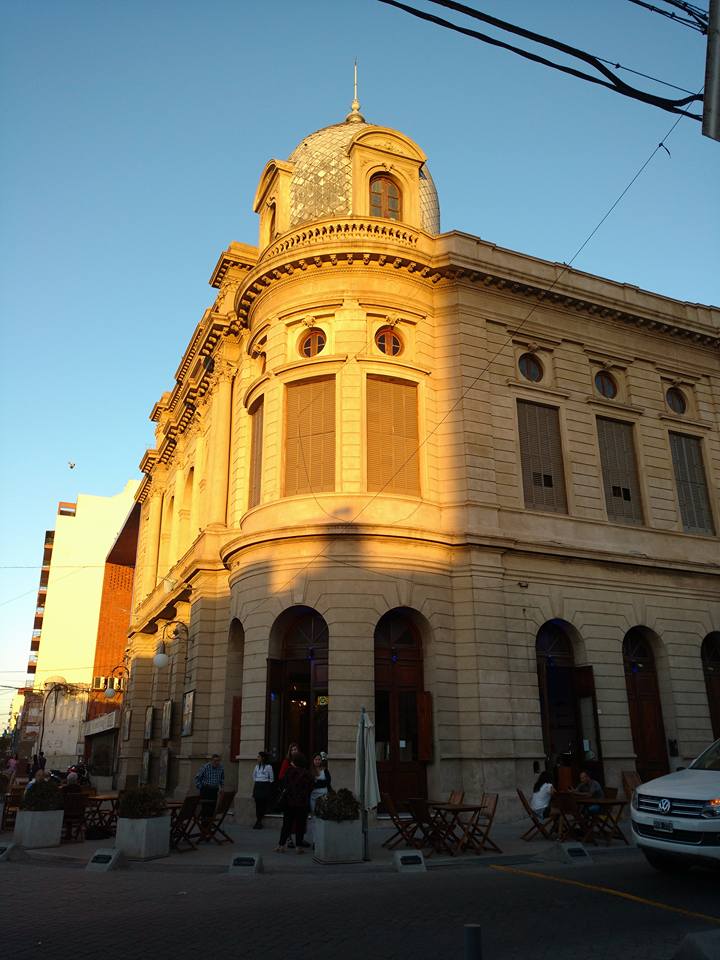
Corner of Nación and Maipú |
 |
 |
 |
|
Corner of Nación, view of billboards and Theater Snack Bar |
View from the scenario |
View from the scenario |
 |
 |
 |
|
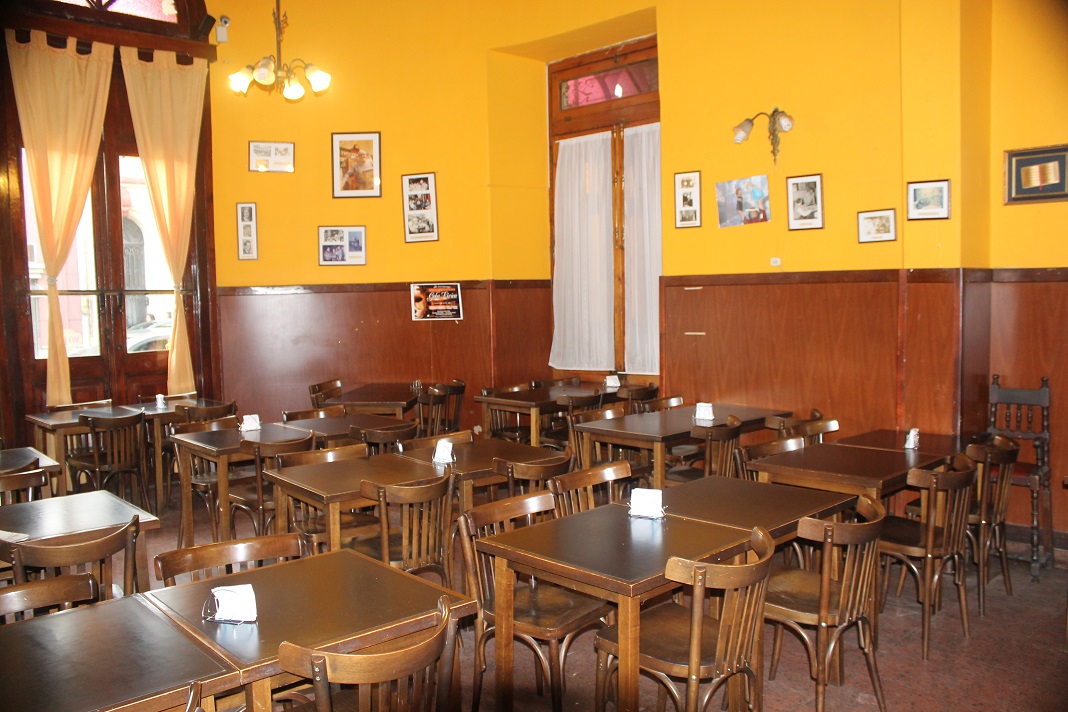
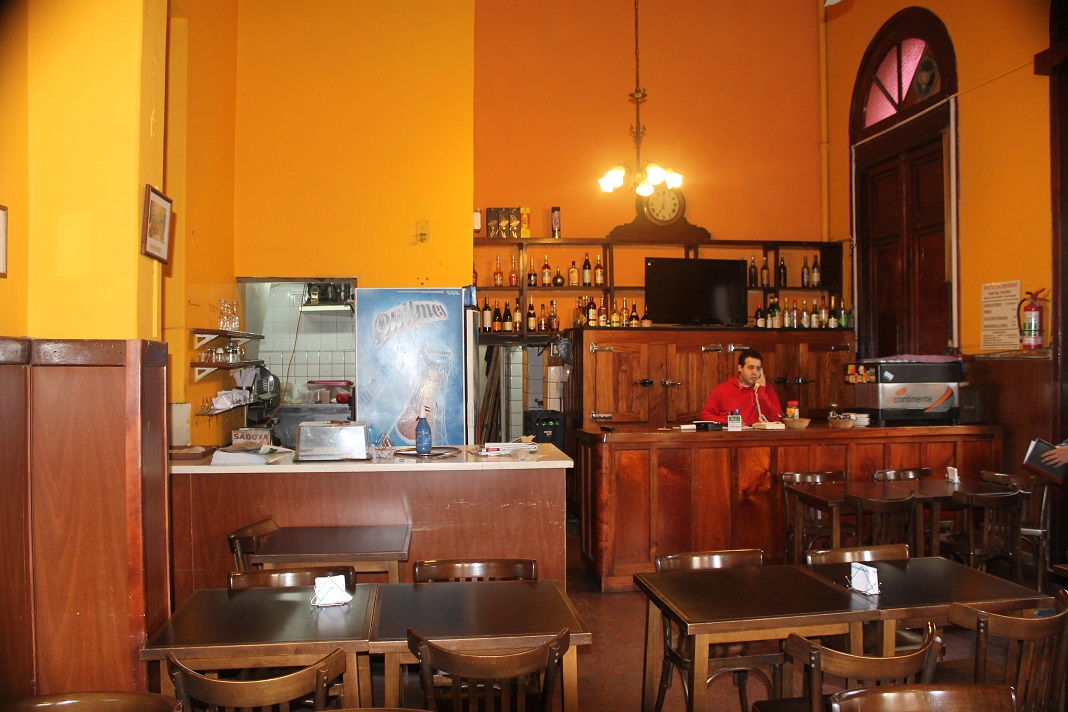
Interior of the Theater Snack Bar. It has the particularity of being
part of the Municipal Theater "Rafael de Aguiar". It is located right on the corner of the building |
View of the scenario, dressing rooms, parquet and boxes of the Municipal Theater "Rafael de Aguiar" |
Interior of the Theater Snack Bar. It has the particularity of being
part of the Municipal Theater "Rafael de Aguiar". It is located right on the corner of the building |
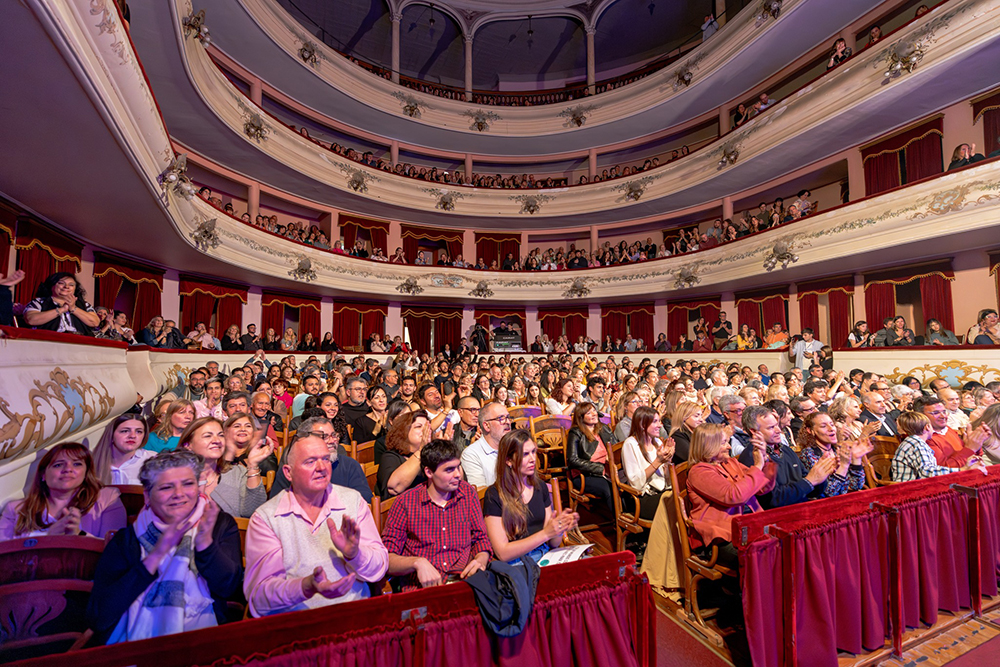 |
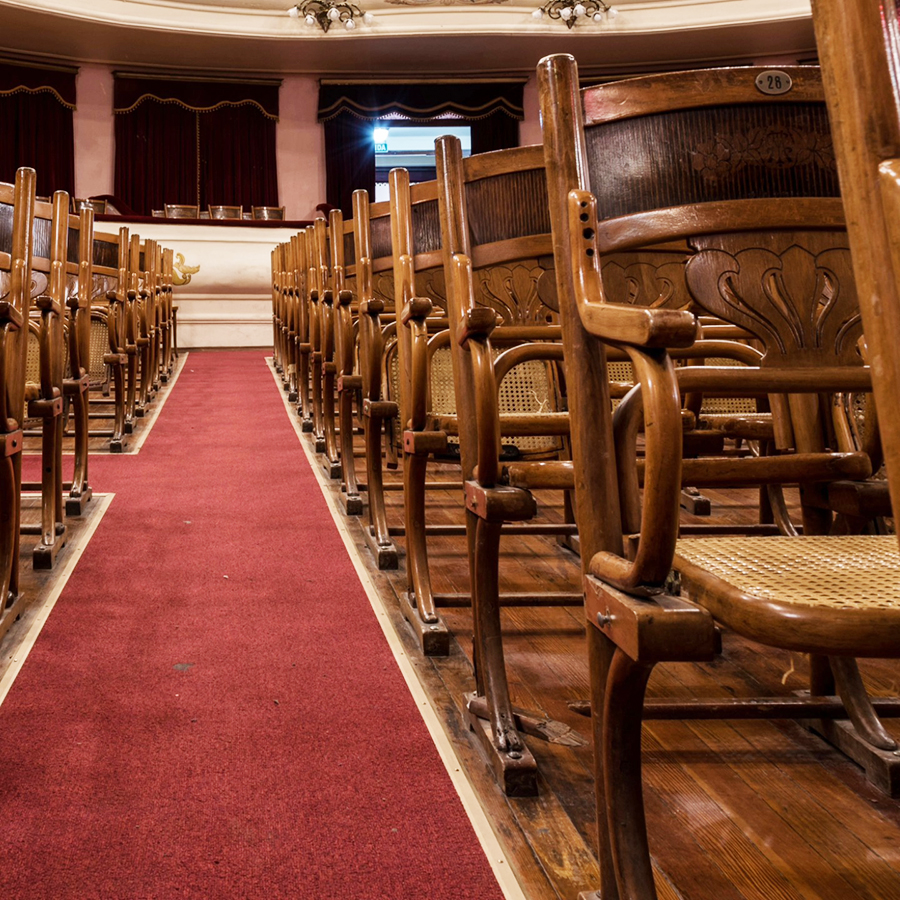 |
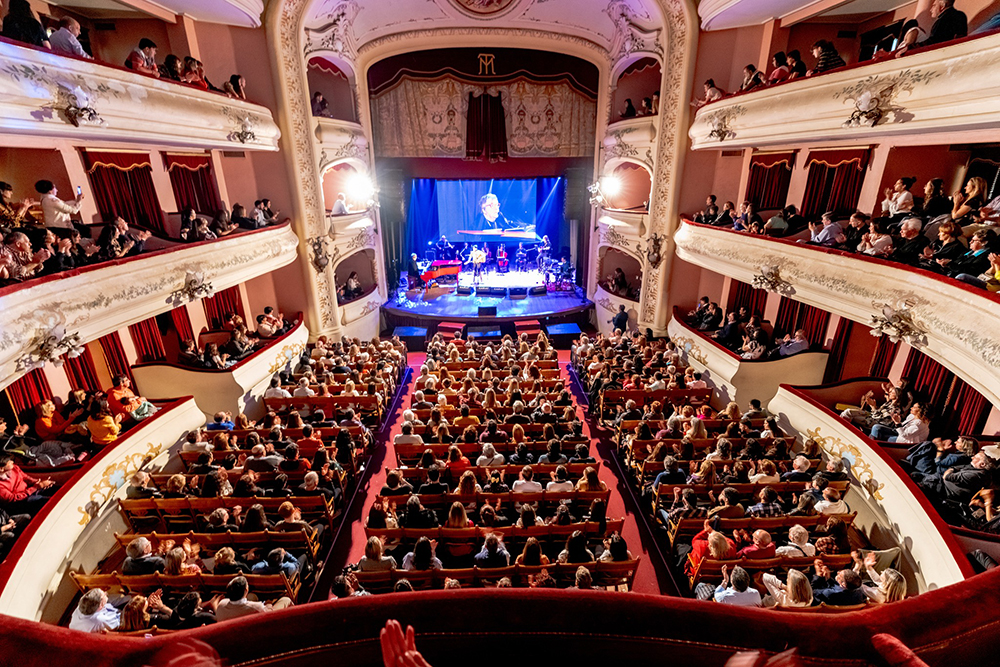 |
|
Lito Vitale concert at the Municipal Theater "Rafael de Aguiar" |
Corridor and seats of the stalls |
Lito Vitale concert at the Municipal Theater "Rafael de Aguiar" |
 |
||
|
The Municipal Theater "Raphael of Aguiar" it
was inaugurated on August 10, 1908, with a big show in charge of the
Italian Lyrical Company, directed by A. Bernabei, the one that took to
scene the opera "Manon Lescaut", of Giacomo Puccini. Agostinelli acted
as soprano, and Toscani acted as tenor. The orchestra was conducted by
the master Gaetano Bavagnoli. The Municipal Theater is a replica of the Theater Columbus from Buenos Aires, in smaller scale. Is, without place to doubt, one of the most important architectural achievements in the country. The construction was for initiative of the intendant Serafín Carlos Morteo, and the Deliberative Council dictated an ordinance with date August 11, 1905, in execution of which the pertinent works began. For their financing he subscribed in public loan, which was covered almost entirely by the neighborhood, completing the Municipality with own resources to cover the cost. The fundamental stone was placed on April 26, 1906 and December 31, of the same year, it was roofed and it revoked the building. The projects were assigned to the engineer Juan B. Aramburu. The decoration was made by a qualified Italian painter, Raphael Barone. As long as Domingo Nevani and Enrique Gabrielli was the builders. The Municipal Theater occupies 1375 square meters in the corner of Nation and Maipú. The chairs, tables, mirrors and armchairs were imported to order, to the mark of European manufacturing most prestigious of then: Thonet of Vienna, Austria. The mouth curtain and the dome were painted by the Italian artist Rafael Barone. The stairways of the hall of access to gathering and "cazuela" are made of marble of Carrara. The curtain was made with the same cloth of the Theater Columbus from Buenos Aires, and it was brought of Naples, where it was painted to the tempera, by the scenographer Mateo Cassella. The room has capacity for 1250 people (now that capacity, for questions of security, has been reduced to approximately 800 people). The inauguration act were worked by the notary Raúl Robledo and signed by the already Municipal Intendant; notary Adolfo Bruyant, and the neighbors Macedonio Canedo, Alberto Insaurraga, C. Segovia, Crisanto M. Servini, Ignacio Aristarán, José Canessa, Arístides Basaldúa, Federico Gard, Víctor Grossi, A. Pujals, Manuel García Reynoso, León Bossús, Maximiano Vázquez, Miguel Maiztegui, Manuel Sáenz, Juan B. Arámburu, Manuel García Alberdi, Joaquín Maldonado, Dámaso Gómez, Serafín C. Morteo, Luis N. Varela, Pascual Subiza, Isidoro Echeverría, Juan Ezpeleta, Ángel M. Méndez, Fernando J. Iturburu, Heraclio Ferreyra, Alfredo de Uriburu, Juan Bicetti, René Hardy, H. Sommariva, Octavio González Roura and others. The President of the First Directory of the Municipal Theater Raphael of Aguiar, was the notary Ricardo D. Moyano (1937-1943). For their scenario the most outstanding figures of art and the national culture have paraded, as well as foreign artists of world fame, and an infinite quantity of realizations: operas, sketches, classic tragedies, rock recitals, shows tangueros, operettas, conferences, benefit to schools, institutions and international ballets. In some opportunities, the seats are raised up to the scenario. That was made with hydraulic cats. With the seats without armchairs and together to the scenario, were carried out dances, kermeses or banquets. By ordinance of July 18, 1958, being intendant the Dr. Miguel M. Bent, was imposed the name of "Rafael of Aguiar" in homage to the organizer - founder of the city, with reason of being had compliment the 50º anniversary of the inauguration. In the hall there is a bronze plaque placed to such an end. From ends of 1977 and until April of 1978, during the municipal administration of Lieutenant Colonel (Retired) Engineer Fernando Huergo, was carried out the general restoration of the building and the room, being inaugurated those works with a gala function, on April 8, 1978. In 1998 they were carried out the last restorations in bathrooms, roofs and wooden carpentries with the collaboration of the company Siderar S.A. |
||
 |
||

|
||
|
|
||
 Exchange of scores:
jasmusic76@hotmail.com Exchange of scores:
jasmusic76@hotmail.com |
||
 Consultations and opinions:
nico6_6@hotmail.com Consultations and opinions:
nico6_6@hotmail.com |
||